RSS Feed

Monthly Archives: October 2012

Minty courgette pasta sauce

It’s well and truly time for another pasta sauce recipe, and I love one that you can make in about the same time as the pasta takes to cook!

The flavours for this sauce were inspired by my herby courgette pasta salad. There’s something very fresh about mint and courgette, and the basil gives a deeper flavour so the mint isn’t too sweet. And the yogurt brings it all together, ready to be mixed through some lovely pasta.

It’s perfect for every member of your family. Babies can have the sauce and pasta pureed together, or have the sauce over baby pasta. Adults will probably want a bit more seasoning than toddlers. Here’s to cooking one meal for everyone!

MINTY COURGETTE PASTA SAUCE

Prep time: 5 mins
Cook time: 5 mins
Makes 1 toddler and 1 adult portion

1 medium courgette (zucchini), grated and the excess water squeezed out
1 tsp unsalted butter
1 tsp olive oil
7 fresh mint leaves, finely sliced
2 large fresh basil leaves, finely sliced
2 tbsp plain Greek yogurt
Salt and pepper (optional)

In a medium-sized frying pan, heat the oil and butter over a medium-low heat. Once the butter has melted, add the grated courgette (seasoning if using) and cook for 2-3 minutes, stirring continuously.

Add the mint and basil, and cook for another 2 minutes.

Take the courgette mix off the heat and stir through the yogurt.

Serve over cooked pasta.

For babies, purée the sauce and pasta together until smooth, or serve the sauce over baby pasta.

Variations:

  • For toddlers and adults, add some garlic as you’re cooking the courgette (1/2 clove of crushed garlic or a sprinkle of garlic granules)
  • Finely dice the courgette rather than grate it for a chunkier sauce
  • Use double (thickened) cream instead of yogurt
  • Add a sprinkle of toasted pine nuts just before serving

Tip: if you want to freeze this sauce, don’t add the yogurt. After defrosting the sauce, add fresh yogurt once you’ve heated it.

Do you have any recipes that are perfect for the whole family?

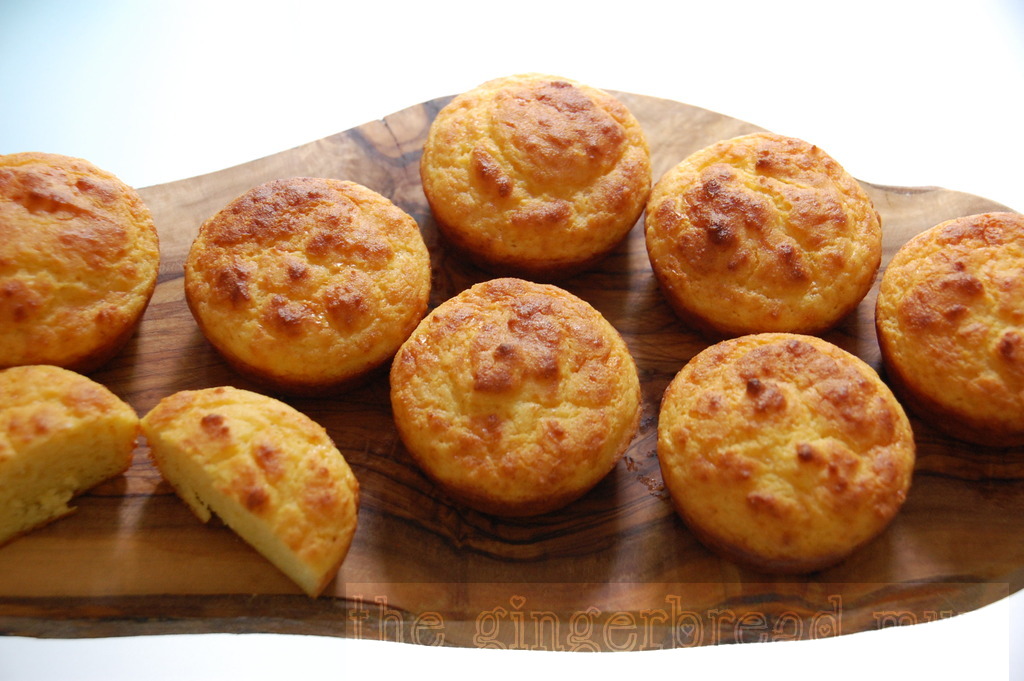
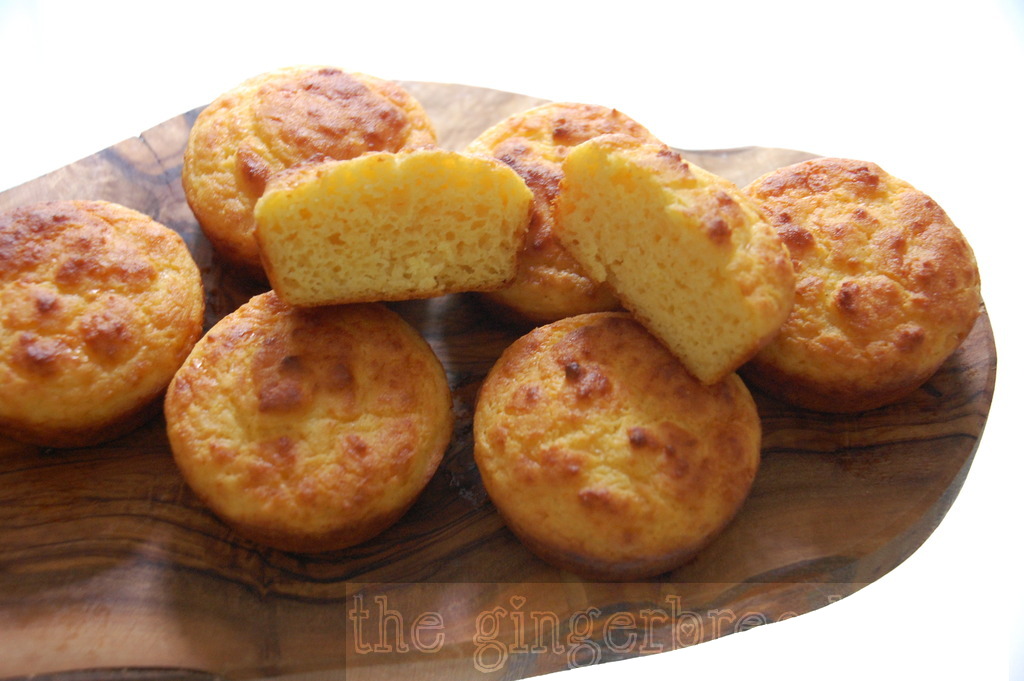
Cornmeal muffins

I was debating whether to call these cornbread muffins as the taste and texture is similar to cornbread, and then I thought perhaps spicy cornmeal or cornbread muffins. To avoid any confusion, as the recipe isn’t an authentic cornbread recipe nor are they very spicy, I’m going with the (perhaps boring but simple) cornmeal muffins.

If you don’t want to make muffins, you can pour the mixture into a square baking tin and then cut them into squares after they’re cooked. Or you could make a loaf and cut off slices.

The level of spice is very mild, so perfect for toddlers (the predominant flavour is cheese). But you can easily add more spice by increasing the cumin and coriander, and/or add some crushed dried chilli.

Eat them on their own as a snack or as an accompaniment to a main dish, they’re perfect for little and big fingers alike.

CORNMEAL MUFFINS

Prep time: 10 mins
Cook time: 20 mins
Makes 12 small muffins

140g fine cornmeal
1/2 tsp bicarbonate of soda
1 tsp salt
1/2 tsp ground cumin
1/2 tsp ground coriander
1 cup grated cheddar cheese (about 75g)
1 egg, lightly beaten
2 tbsp vegetable oil
225ml Greek yogurt

Preheat the  oven to 200C and grease your muffin tin with a little oil or cooking spray (or line your tin with paper cases to avoid washing the tin).

Mix the cornmeal, bicarbonate of soda, salt, cumin and coriander in a bowl. Add the grated cheese and mix well so the ingredients are combined evenly.

In another bowl or jug, mix the beaten egg, vegetable oil and yogurt together.

Mix the yogurt mixture into the dry ingredients and stir quickly until just combined.

Pour into the prepared muffin tin and bake for 15 – 20mins until golden on top and cooked through when tested with a skewer.

Variations:

  • Add fresh chives or coriander to the batter
  • Add some crumbled cooked bacon to the batter


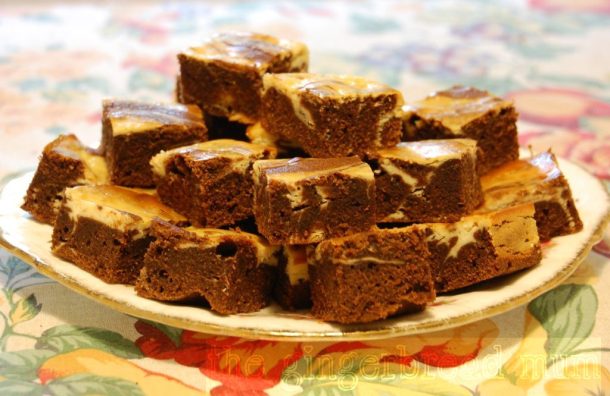
Chocolate cheesecake slice

To celebrate National Chocolate Week (there’s a week or day for everything, isn’t there?) I’m sharing one of my favourite and oldest baking recipes on Mindful Mum. It’s also anticipating National Baking Week next week (I kid you not!). This slice never fails to please, and combines the richness of brownies with the tanginess of cheesecake (what more could you ask for?!).

Head over to Mindful Mum for the recipe.

World Porridge Day

World Porridge Day was actually yesterday and while we ate porridge, I didn’t get around to posting about it. However, as cupcakes and chocolate get a whole week in the UK, I figured the humble and nutritious porridge’s day needs to be extended, especially thinking about the reason behind it.

World Porridge Day was started to raise awareness of and money for Mary’s Meals, a Scottish charity feeding starving children in Africa. Mary’s Meals provides daily servings of likuni phala, a nutritious, vitamin-enriched maize porridge to more than half a million children in 16 of the poorest countries in the world. But they don’t just give them nourishment. The porridge is served in schools, encouraging children to go and learn. Each child also has the responsibility of looking after their plastic mug which is filled with porridge. By serving one simple meal, Mary’s Meals is doing a lot more than just filling bellies.

Mary’s Meals are also an amazingly efficient charity. How much do you think it costs to feed a child porridge for a whole year? How much do you think you spend on your family breakfasts over a year?

It costs just £6.15 (about €7.20 or $10) to feed a child for a year.
Less than £7 for a whole year!

I’ll let you absorb that fact while I move on to some porridge flavours and variations your munchkins (and you) might like. I’ll leave you to cook your porridge the way you prefer (I like the microwave to avoid having pots to clean) as I’m certainly not a porridge-cooking expert!

PORRIDGE FLAVOURS AND VARIATIONS

While traditionally porridge is made from oats, water and salt, I always use milk for its calcium content and some kind of sweetener, usually fruit or a little bit of honey (for when babies are more than a year old).

Babies:

To make a smoother porridge, more palatable for babies, either grind up the oats before cooking, or blend your finished porridge until it’s smooth enough.

Another way of softening the oats is to soak them in some of the cooking liquid overnight.

Start with adding one simple flavour your baby is already used to, like banana. Once you think your munchkin is ready for some more complex flavours, add some warm spice like cinnamon or a dash of vanilla for extra sweetness or start combining flavours.

Flavour combinations:
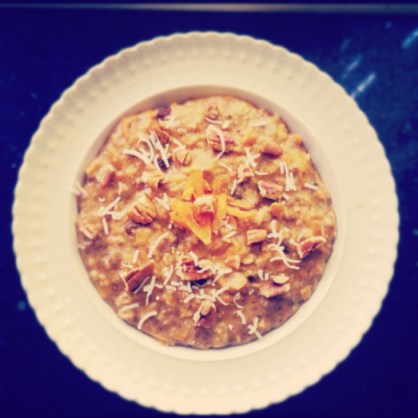
The easiest and healthiest flavour to add to porridge for little ones is fruit, and then there’s no reason to add any sugar. Add it fresh or frozen. Mixing through frozen fruit has the advantage of cooling the porridge down (very important when your toddler is being impatient!). Here are some of our favourites.

  • Banana and cinnamon
    Mash some banana through cooked porridge and add a dash of cinnamon (which helps stimulate your metabolism)
  • Apple, raisin and nutmeg
    You can use raw apple (finely grated) or cooked apple (apple puree or unsweetened applesauce/stewed apple). Add raisins (soak them overnight if you want them to be plumper and less chewy) and a small pinch of nutmeg. You could also add some chopped dried apple.
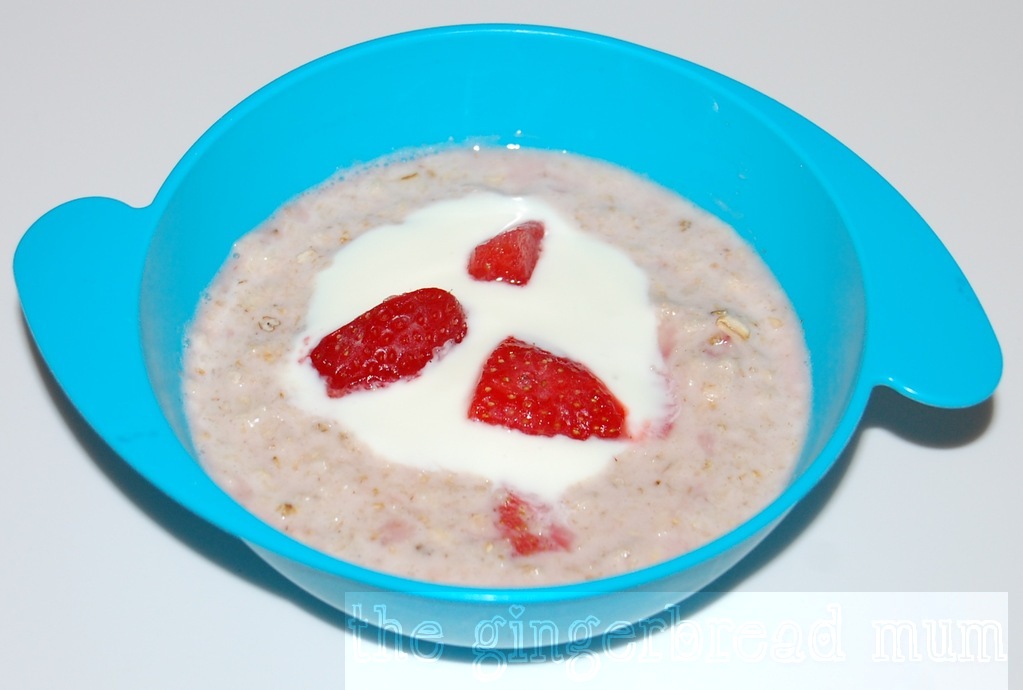
  • Strawberry and vanilla
    Mix chopped strawberries (fresh or frozen) through cooked porridge and add a dash of vanilla.
  • Stewed fruit
    Any cooked fruit works great swirled through cooked porridge (peaches, plums, apricots, strawberries). I don’t add sugar while stewing the fruit, but check the taste of the porridge adding some vanilla for sweetness or honey. A small pinch of ground ginger also works well.
  • Pears and vanilla
    A lovely ripe uncooked pear mashes very easily into cooked porridge. Add a dash of vanilla.

Porridge in a hurry:

For mornings when you need to get ready fast, what takes even less time than mashing some fruit into cooked yogurt?

  • Fruit yogurt
    Stirring through some fruit yogurt also cools the porridge down (saves you blowing time!).
  • Fruit puree
    Any packaged fruit purees or purees you’ve made yourself mix through quickly.

Adult flavour combinations (or not so healthy additions):
Some mornings you just need a little indulgence to start the day happily.

  • Grated chocolate
    Any chocolate you have on hand grated over cooked porridge.
  • Chocolate spread
    Add some mashed banana as well to feel healthier.
  • Golden syrup and cream
    Maple syrup works just as well.
  • Jam and cream
    Who needs scones.
  • Chocolate-covered Katie’s Coffee Frappuccino Oatmeal
    Haven’t tried it, but it’s your morning coffee and breakfast all-in-one!

Toppings:
Once you’ve added your flavourings, why not also sprinkle or dollop something on top?

  • Seeds
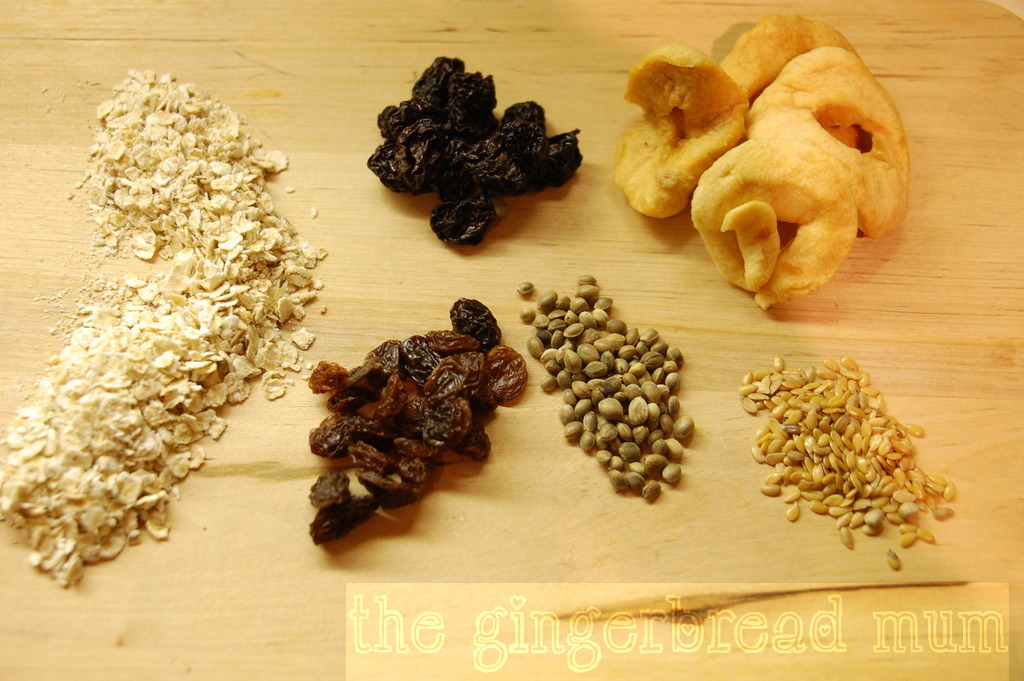
    Pumpkin, sesame, flax/linseed, sunflower seeds, etc. For toddlers, grind up larger seeds and/or soak them overnight.
  • Coconut
    Shredded or desiccated.
  • Yogurt
    Fruit or plain.
  • Dried fruit
    Sultanas, raisins, cherries, apples, pineapple, mango, etc. Chop larger pieces up. Soak overnight for softer fruit.
  • Fresh fruit
    Slices of banana, strawberries, pear or whole blueberries are yummy.

Variations:

You can use other liquids to soak and/or cook your oats.

  • Juice
    Fresh apple and orange juice add another level of flavour to your porridge.
  • Coconut milk
    Feel like you’re in the tropics!

If you’re sick of the same old flavours, why not add something daring to your oats?

What do you like to add to your or your munchkin’s porridge? What do you do if you have porridge leftovers?

I hope I’ve given you some ideas to vary your bowls of porridge. But also remember how porridge is changing the lives of children in Africa thanks to Mary’s Meals, and how little you would need to donate to feed a child for a whole year.

Soft butternut squash cakes

I’ve been more focused on toddler-friendly meals lately, natural since Nicholas is getting bigger, but I don’t want to stop experimenting with recipes that are also good for your smaller little ones.

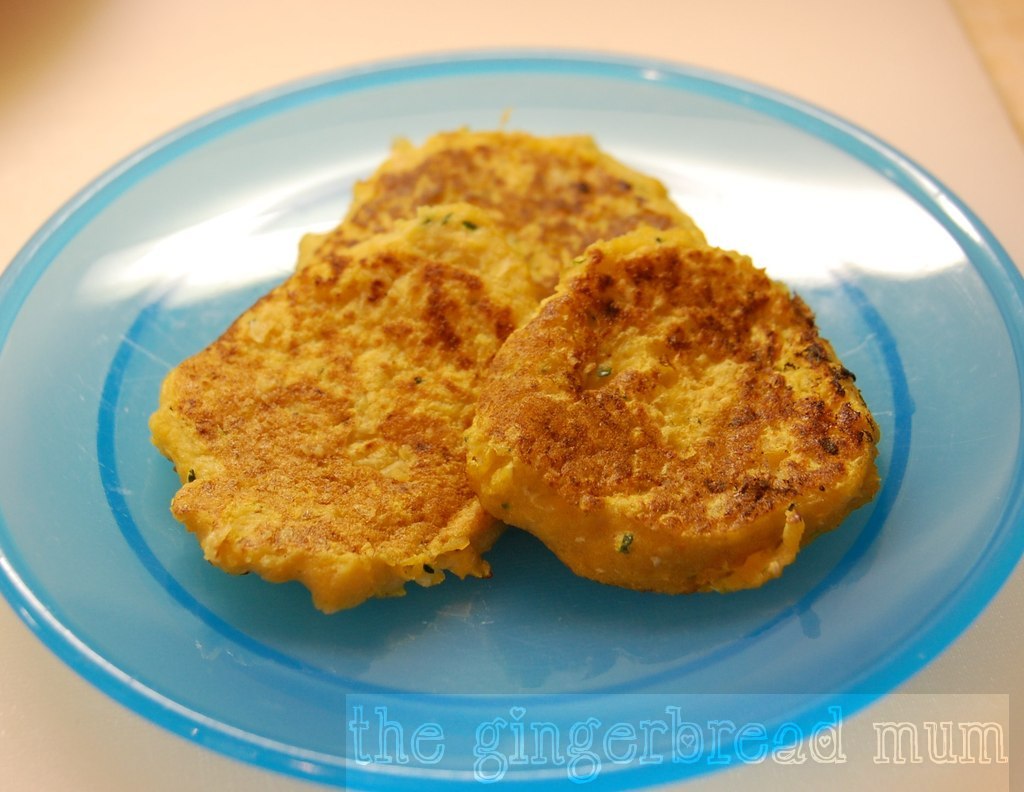
These little vegetable cakes are very soft inside so great for babies without teeth. They are a simpler (and slightly quicker) version of my Butternut Squash and Chickpea Cakes, which are easily adapted to feed the whole family.

I made some medium and small-sized ones, but because of their softness the small ones (about 4cm in diameter) are easier for small fingers to hold and also easier to flip over when you’re cooking them.

If you’re making these for toddlers you can add some seasoning and also some spice (I used a teaspoon each of paprika and cumin for a warming spicy flavour). If you’re introducing a little spice to your munchkin, start with 1/2 teaspoon each of spices.

Use your preferred method of cooking the butternut squash, remembering that the quicker you cook it, the more nutrients remain. For toddlers you can leave the peel on as it will get chopped up in the food processor when you combine it with the other ingredients.

This recipe makes a large batch of cakes – perfect to have in the freezer for days you don’t feel like cooking.

SOFT BUTTERNUT SQUASH CAKES

Prep time: 10 mins
Cook time: 15 mins
Makes about 40 mini cakes (or 26 medium cakes)
Freezable

Approx. 400g cooked butternut squash
1 medium courgette (zucchini), coursely grated
1 400g can chickpeas, rinsed and drained
1 egg yolk
1/2 cup plain flour
Drizzle of olive oil or cooking spray

For toddler version also:
1 tsp paprika
1 tsp cumin
Salt and pepper

Put the butternut squash into a food processor and blend until smooth. If you’ve left the skin on, check that it’s broken up into small pieces.

Add the grated courgette, chickpeas, egg yolk and flour. Blend until combined (the mixture will be quite runny almost like a pancake mixture).

If making for a toddler, add the paprika, cumin and season to taste.

Heat a large non-stick frying pan over a med-low heat, spray with cooking spray or use a drizzle of olive oil.

Drop small spoonfuls of mixture into the pan (don’t overcrowd the pan to make turning them easier), flipping them after a few minutes when they’re golden brown and cooking the other side. Repeat with the remaining mixture.

Leave to cool a little (they’ll firm up a bit as they get cooler). Serve with yogurt to dip them into.

Variations:

  • Use sweet potato instead of butternut squash
  • For toddlers, try some different spices such as ground coriander
  • Add some fresh coriander to the mixture

What other soft foods do you like to make for your little ones, especially when they don’t yet have teeth?

Back to business as normal

A few of you emailed me last Thursday asking where my blog had gone. All you could see was a notice from WordPress saying their terms had been violated and so the blog had been suspended.

While I was waiting for WordPress to review the situation, I was going ‘AH!’, and scouring their terms and conditions for any possible unintentional wrongdoing on my part. Why is it we always feel guilty even if we haven’t done anything wrong? Or is that just me?!

Anyway, to cut the story short, I hadn’t done anything wrong. For some reason something triggered their automated anti-spam controls. I’ve been assured it won’t happen again and received an apology. While I wasn’t told what exactly triggered the suspension, at least we’re back to business again, and I can finish writing the recipe post I was working on!

Completely changing the subject to something much nicer, we went away for the weekend and enjoyed some wonderful family time together. Roberto did the driving experience I got him for Christmas, and had great fun trying a Ferrari and a Lamborghini. And we ate our way through the East Midlands Food and Drink Festival in Melton Mowbray.

Big Questions from Little People – book review

So your child asks, ‘Are we all related?’ What do you say?

I’m already thinking about the difficult and awkward questions that Nicholas undoubtedly will ask in the not too distant future, and wondering what I’ll do. Will I pretend to be an expert on all matters? Will I pass the job over to hubby, who always gets more questions right when we watch University Challenge? Will I concede that I don’t know everything and teach Nicholas how to use Wikipedia?

Imagine if you could ask Dr Richard Dawkins to help you out (“Let’s give Uncle Dick a call. He’ll know!”).  But then if I think about how many ‘why…?’ questions I’ve heard from nieces and nephews over the years, and think of all the different subjects they’ve asked about, I’d need a huge array of expert ‘phone a friend’ lifelines!

Fear not, Gemma Elwin Harris has come to our aid. Inspired by her own son’s and nieces’ questions, Gemma came up with the brilliant idea to get the best possible answers from the UK’s most knowledgeable experts to more than 100 real questions from primary school children, aged from 4 to 12. So Sir David Attenborough answers ‘Are there any undiscovered animals?’, Heston Blumenthal answers ‘Why do we cook food?’, and Professors Chris Stringer, Gary Marcus and Michael Rosen all answer the extremely tricky ‘What makes me me?’.

‘Big Questions from Little People… Answered by Some Very Big People’ covers a vast range of subjects, from bodily functions to space, from food to sport, from animals to history, from music to philosophy. The brilliant experts include Noam Chomsky, Sister Wendy, Tracey Emin, David Crystal, Jessica Ennis, Philip Pullman, Annabel Karmel, Derren Brown and Bear Grylls.

It seems as if all the experts have tried to write their answers using language a child could understand, but of course some subjects are easier to understand than others. Quite a few, but not all, of the experts clearly answer the question in the first sentence or first paragraph and then go on to further explain it. It perhaps would have been good for them all to answer in this way, even having the concise answer clearly separated from the rest of the text, so even young children get a clear answer while older children can read more about the topic.

The font is a good size for children and there are some black and white illustrations throughout, breaking up the text. The book has a thorough index at the back, making it easy to find the answers you need, all the questions are listed in the contents with the corresponding expert, and you can also read more about each expert.

I love the fact that the questions are unedited (there’s the very cute ‘Why is space so sparkly?’ to the very bizarre ‘Did Alexander the Great like frogs?’). There are also some hilarious joke answers to the book’s questions at the end by comedians including Stephen Fry, Sandi Toksvig and Clive Anderson (Why are the grown-ups in charge? Because they got here first!).

But probably the best thing about ‘Big Questions…’ is that it’s in aid of the NSPCC, raising vital funds to help vulnerable children and young people across the UK and the Channel Islands. Over half of the advance and royalties from the book are going to the charity.

This is a brilliant book to buy for your children, a wonderfully different present for new parents or buy it just to support a great charity. I’m going to start seriously studying now, with the hope that by the time Nicholas starts asking me these types of questions I’ve memorised the answers and I’ll be Super Intelligent Mummy!

Published by Faber, ‘Big Questions from Little People’, is available from today from all good bookshops and selected supermarkets, and online from Waterstones and Amazon.

And by the way, the answer to the first question is yes, we’re all related.


Created by Faber and Faber for the book Big Questions From Little People. INFOGRAPHIC: What Big Questions are on Your Child’s Mind?

Disclosure: I was given a free copy to review; my opinions are my own. I made a donation to the NSPCC.