RSS Feed

Tag Archives: baby

Sugar-free clementine jelly

I’ve wanted to try making jelly for Nicholas for a while. I wanted to experiment using pure fruit juice without any sugar to see how sweet it could be without adding any sugar (or as little as possible).

The other day at the supermarket I saw some cute individual jelly moulds and they were also super cheap (six moulds for a pound!), so I bought them and decided to experiment immediately.

I used gelatine leaves rather than gelatine powder. Supposedly the leaves produce a smoother texture than the powder; they’re also easier, for some reason, to find in British supermarkets. Whether you use leaves or powder isn’t important. What is important is to check the directions on the back of the gelatine packet in order to work out how much gelatine you need to use for the amount of liquid you need to fill your jelly mould/s.

I wanted to make one small jelly. I filled my mould up with water and then measured the amount of water I needed to fill my mould (about 150ml). My gelatine packet said to use 4 leaves for 1 pint of liquid (that’s about 570ml) so I decided to use 1 leaf for the 150ml of liquid I needed.

I was very happy with the results – a soft wobbly jelly that was definitely sweet enough, and it dissolves in your mouth so it’s also perfect for babies. I was assuming hubby and I would get a spoonful each at the end. I was wrong. Nicholas devoured his dessert in a couple of minutes, not much more, licking his plate clean!

You can use any freshly squeezed juice (orange, apple, pineapple, etc.) or buy good quality unsweetened pure juices. Just make sure you get a taste of it before you give it to your munchkin!

SUGAR-FREE CLEMENTINE JELLY

Prep time: 15 min plus refrigeration overnight
Cook time: 0 mins 🙂
Makes 1 toddler serving

1 gelatine leaf (about 1.5g)
2 tbsp cold water
4 or 5 clementines, squeezed to produce about 150ml of juice

Cut up the gelatine leaf into small pieces (about 1cm) and put in a small heatproof bowl. Add 2 tbsp cold water and leave for 10 mins.

While you’re waiting, bring a small saucepan of water to the boil then drop the heat to low.

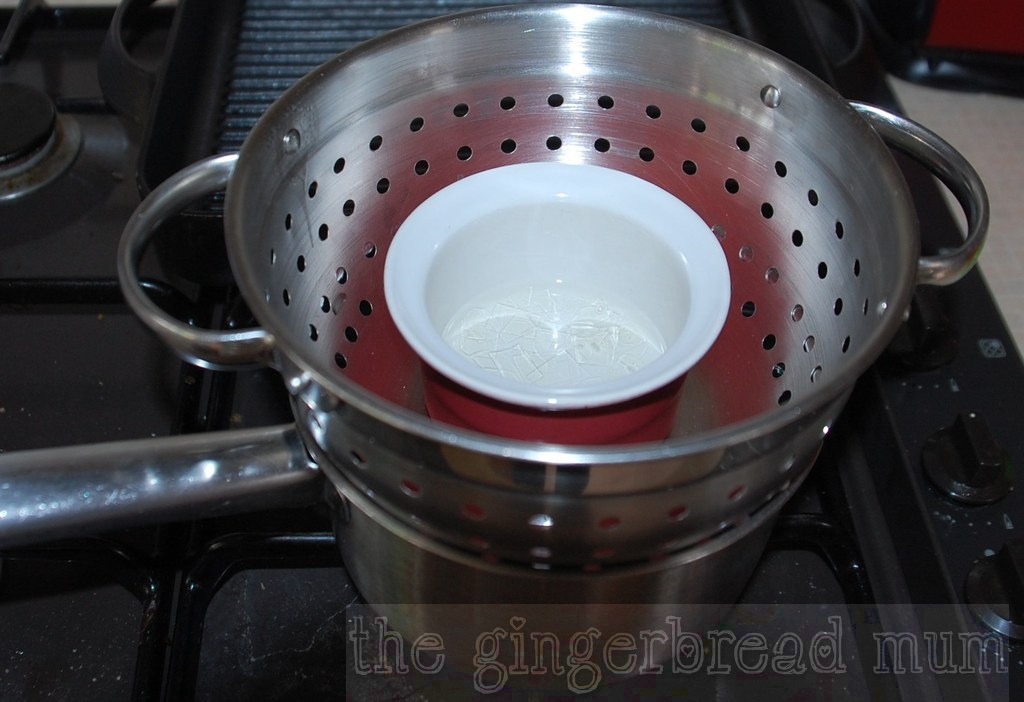
After 10 mins, melt the gelatine completely by putting the bowl over the saucepan of hot water (if your bowl is small, use a heatproof colander over the saucepan and place the bowl inside the colander). Stir until completely dissolved.
Remove from heat and pour into the clementine juice, stirring to mix. Pour into your jelly mould and refrigerate overnight.

Serve on its own or with some chopped pieces of fruit.


Variations:

  • use any unsweetened fruit juice or combination of juices
  • to add a minty flavour, soak 1 or 2 mint leaves in 2 tbsp of hot water and leave to cool, then use the water to dissolve the gelatine
  • for a toddler, add some small pieces of chopped fruit to set in the jelly
Apple sauce

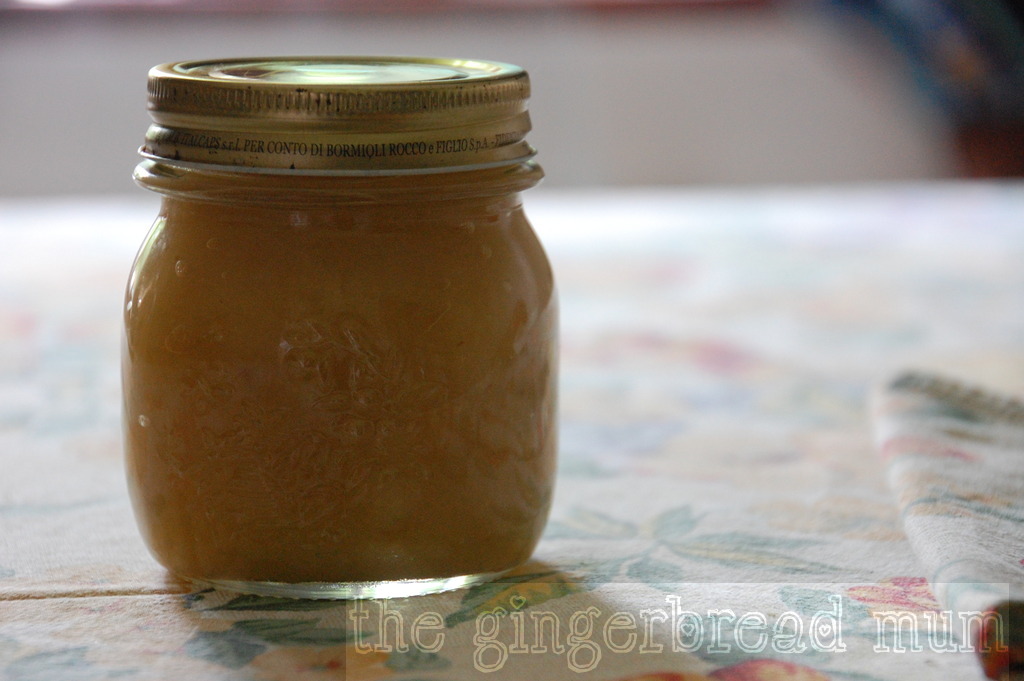
I’ve made apple sauce before on many occasions but only as an accompaniment to pork. In fact I think that’s the only way I’d ever eaten apple sauce. Trawling the internet for baby-friendly recipes I kept coming across apple sauce used as a sweetener then discovered its use as a sugar substitute. So I searched for some recipes just to be sure it didn’t have any ‘secret’ ingredients.

I was surprised to discover that the majority of recipes had sugar in them (maybe my searching skills aren’t as good as I think they are!). Hmmm, why put sugar in something you’re using as a sugar substitute? Ok, you’re still reducing the amount of sugar in the recipe and yes, some apples need some sweetening up, but why not just use sweet apples? Armed with some sweet Gala apples I was ready to experiment.

One of the things I dislike most in the kitchen is peeling fruit and vegetables. One of the reasons is that I’m super clumsy and easily distracted so no matter how much I try to concentrate I always manage to either peel some of my finger or slice through a nail. And besides wounding myself, peeling can take up a lot of time.

I decided not to peel the apples and see how the sauce turned out. Not only did it save me loads of time, but there’s lots of goodness in the peel. If, like me, you don’t have one of those wonderful gadgets that cores and chops your apples into wedges in one go, just chop the four sides off each apple, chopping the large pieces in half. I also added some slices of lemon to the pot to stop the apple from browning as it cooked.

Some recipes add ground cinnamon after pureeing. I wanted to keep my apple sauce plain as you can always add cinnamon at the point when you’re adding it to a recipe. Some people also add some butter as well as sugar to the finished sauce. I’ll leave that up to you to decide.

So how did my experiment of leaving the peel on work out? Well the peel does produce a slightly grainy texture to the sauce after pureeing it. If you’re using the sauce in other recipes you’d never know this though. Even if I was feeding the sauce to a baby (either on its own or mixed with other fruit or vegetables) I honestly wouldn’t worry about the texture.

APPLE SAUCE

Prep time: 5 mins
Cook time: 15 mins
Makes about 1 1/2 cups or about 450ml of sauce
Freezable

6 sweet apples (eg. Gala, Red Delicious or Fuji)
1 cup water
2 slices of lemon

Chop the four sides off each apple and chop the large pieces in half. Put the chopped apple in a medium pot with the water and slices of lemon.

Bring to the boil then drop the heat to low and cover. Simmer for 15 minutes, stirring occasionally so the apple cooks evenly.

Drain the apple and discard the lemon. Puree in the pot with a hand blender.

Now I’m off to make something with my apple sauce!

Apricot chicken

When we started weaning Nicholas we tried a combination of baby-lead weaning and the more traditional purees. Looking back I was probably unnecessarily overly concerned about two things: feeding him more vegetables than fruits so he didn’t develop a sweet tooth, and wanting him to easily eat lumpy food as quickly as possible. I wouldn’t be so concerned if I could go back in time.

Breast milk is naturally sweet and formula milk replicates this. Why suddenly shake up your little one’s tastebuds when they’re also dealing with solids for the first time? There are vegetables that are naturally sweet in flavour just as there are fruits which aren’t very sweet. I realise now that gradually introducing a wide range of different fruit and vegetables is the best way to develop your munchkin’s palette.

While not initially pureeing everything to a smooth paste saved me time (I’d mash food up with a fork or finely grate it), I shouldn’t have worried so much about getting Nicholas over that first (for a new mum very high) hurdle of his food journey. He would have got there in his own time. And what’s wrong with smooth food? I hate lumps in my mashed potato and love thick pureed soups. Smooth is just one of the many different textures of food and it’s these different textures that make food interesting.

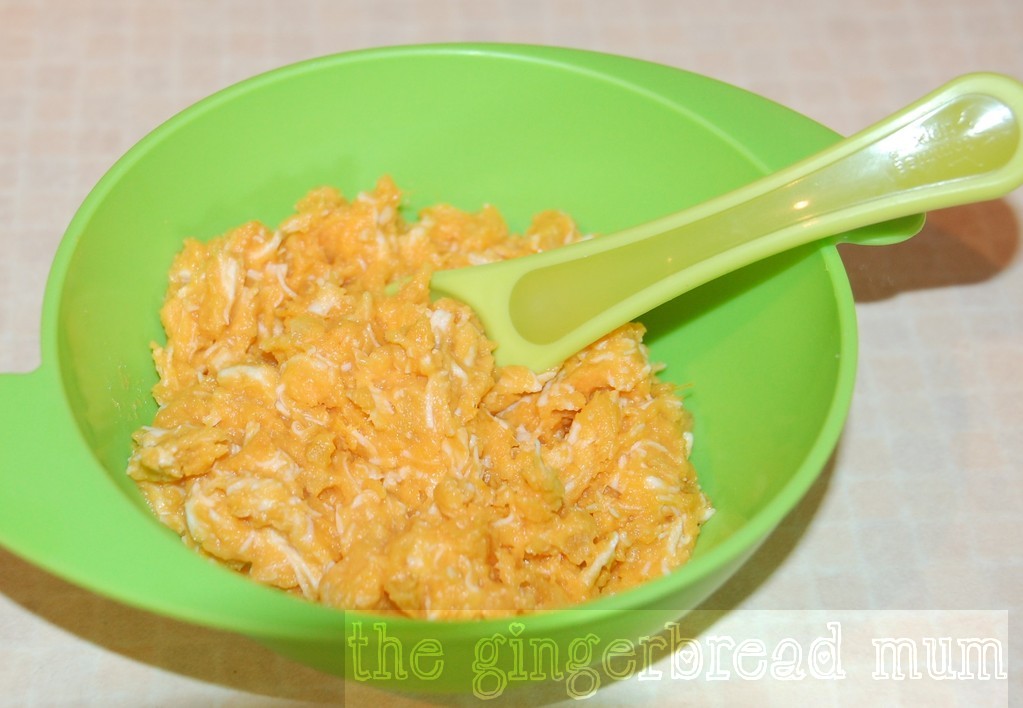
This recipe works really well as a puree and also in a chunkier form. The original recipe by Belinda Graham is a baby puree. I’ve adapted how it’s cooked to make it a bit quicker for you to make, as well as keep as many nutrients as possible from boiling away.

APRICOT CHICKEN

Prep time: 5 mins
Cook time: 10 mins
Makes 2 toddler servings
Freezable

1 chicken breast or thigh
1 medium sweet potato
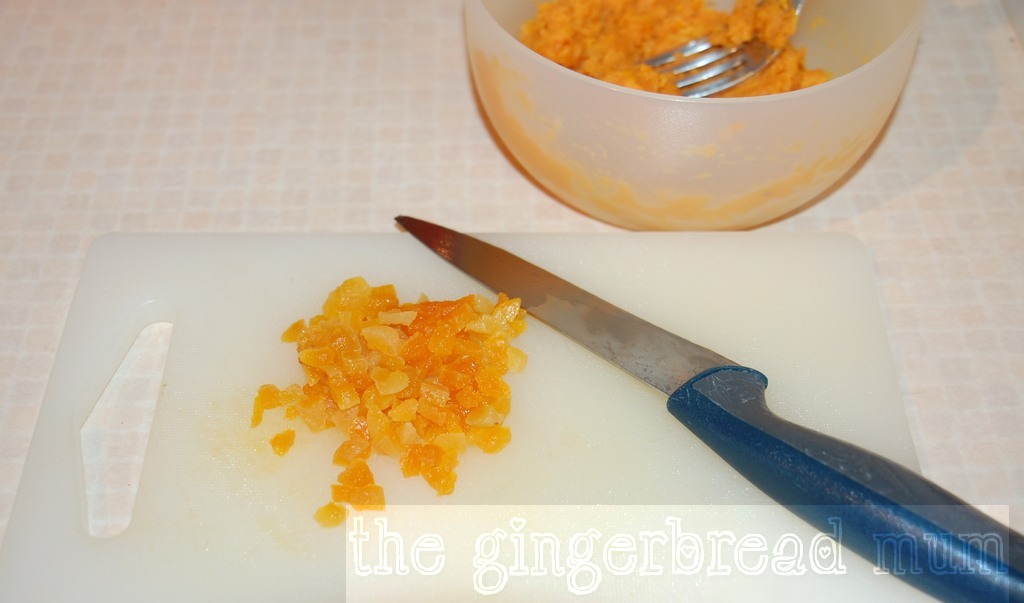
3 soft dried apricots, finely diced
3/4 cup milk
Drizzle of olive oil (optional)
Pinch of salt (optional)

Prick the sweet potato with a knife or skewer in a few places all over. Cook on high in the microwave for 4-5 minutes until it feels soft inside. Leave to cool.

Bring milk almost to the boil in a small saucepan. Turn down heat to low.

Chop chicken into small pieces and add to the milk. Simmer for a few minutes until the chicken is just cooked through. Take out the chicken but keep the milk.

Cut the sweet potato in half and pull of the peel. Mash the flesh in a small bowl. Add apricots, and salt and oil if desired.

Break up the cooked chicken into the bowl. Add 1-2 tbsp of the poaching milk and mix to combine.

Puree the mix for a baby.

Super quick avocado pasta sauce

Another fast pasta sauce you can whip up really quickly for your little one. The creamy texture of avocado lends itself perfectly to coat pasta, and not just for babies. Add some more seasoning and a dash of chilli sauce and it’s a yummy dish for you.

I use a mini food processor to blend the avocado, simply to get a bit more creaminess by making it super smooth. However, whizzing up such a small amount can be a bit annoying (you have to keep scraping down the sides of the bowl to get the mixture back under the blades). You can mash the avocado up by hand and either use a bit of muscle to mash it up to a paste or leave the sauce a bit chunkier. The chunks anyway will be soft enough even for babies to easily munch through.

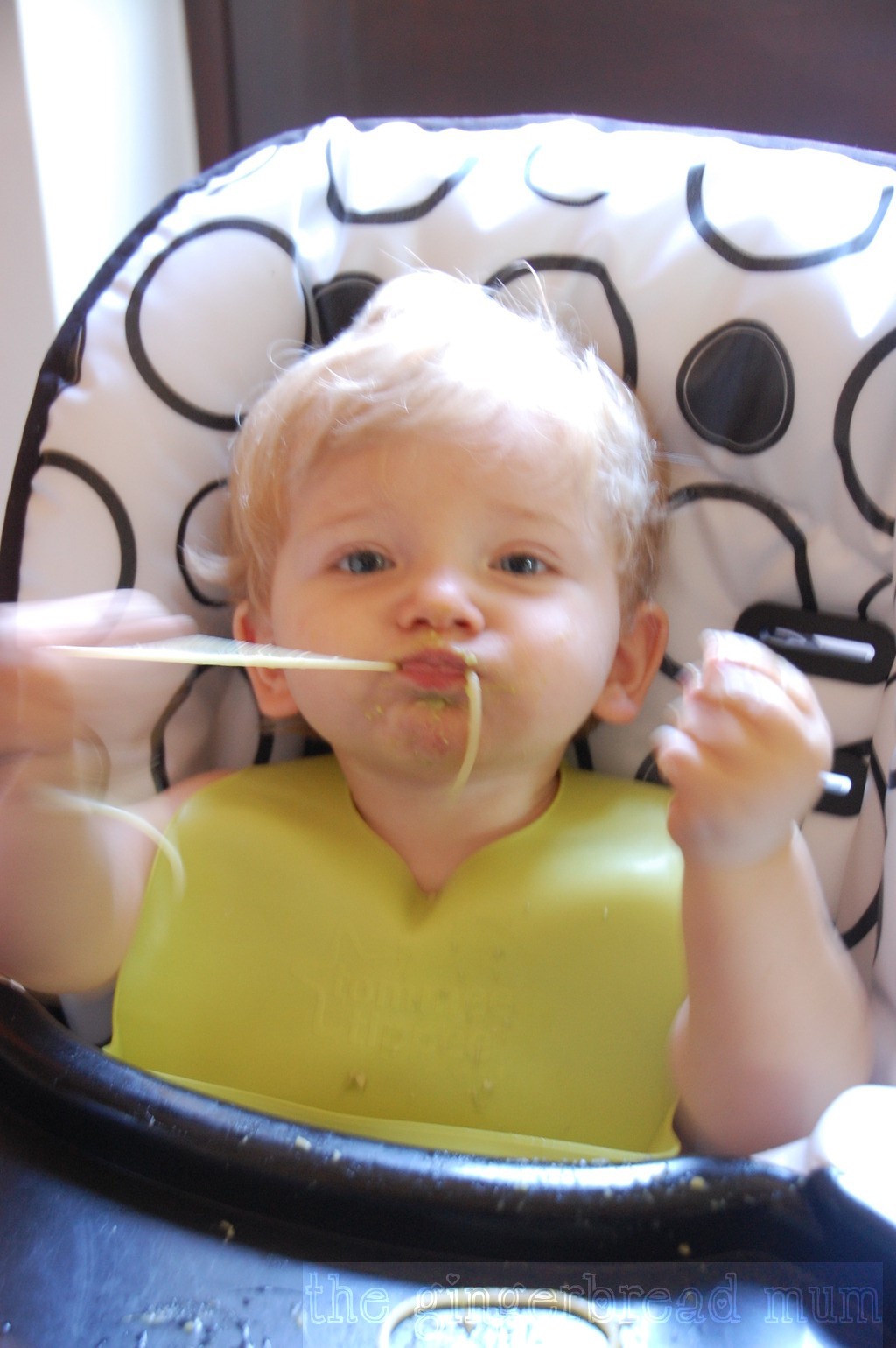
We incorporated some sensory play into our meal. Long cooked pasta like spaghetti isn’t just yummy, but also so much fun to play with!

SUPER QUICK AVOCADO PASTA SAUCE

Prep time: 5-10 mins
Cook time: 0 mins 🙂
Makes 1 toddler serving

1/2 avocado
1 large (or 2 medium) basil leaf, roughly chopped
Squeeze of lime (or lemon)

Scoop the flesh of the avocado into a mini food processor. Add the basil and lime. Blend until smooth.

Spoon over cooked pasta and mix to evenly coat.


Variations:

  • to make it even faster, omit the basil and lime
  • use coriander instead of basil
  • for adults add more seasoning and a dash of chilli sauce

Other uses:

  • spread on toast
  • use as a crepe filling
  • spoon over cooked chicken


Creamy lentils

Lentils are a great food. Full of protein and fibre, cheap and easy to cook. Puree them for your baby, keep them whole for your toddler, feed them to your whole family. They’re also low in calories so a great meal to fill a mummy up if she’s trying to lose her baby weight.

Red lentils break down more than other types when they cook, so they’re perfect for our little ones. They’re great too if you want to make a thick soup. The following recipe would also work really well as a soup. If after pureeing it’s too thick, add a little stock. And it’s easy to add some chopped vegetables like carrots, leeks, celery, etc.

A little while ago I came across a mummy blogger who freezes cooked lentils. Her favourite thing to do is add the frozen lentils to cooking rice. I haven’t tried this, but it’s a good way to add some extra protein to a meal.

My creamy lentils uses the tomato pasta sauce I often make for Nicholas and always have in the freezer. You could use some chopped tomatoes or some tomato puree instead. Add chopped tomato (chopped as small as you can) after you’ve drained the cooked lentils and cook them over a low heat for a couple of minutes to break the tomatoes down.

CREAMY LENTILS

Prep time: 5 mins
Cook time: 15-20 mins
Makes about 4 toddler servings
Freezable

1/2 cup red lentils, rinsed
1 shallot, finely diced
7 tbsp homemade tomato sauce
1/4 tsp dried oregano
Drizzle of olive oil (optional)

Put the lentils in a small saucepan and cover with water. Bring to the boil and then drop the heat to low and simmer for 15-20 minutes until the lentils are soft. Drain off the excess liquid.

While the lentils are cooking, put the shallot in a small microwave-safe bowl, add 1 tablespoon of water and cook on medium in the microwave for 2 minutes. Drain.

When the lentils are cooked and drained, add the shallot, tomato sauce and oregano and mix well.

If serving to a baby or as soup, puree the mixture until smooth.

Serve with a drizzle of olive oil over the top if desired.

Variations:

  • use onion intead of shallot
  • add a little garlic
  • add chopped vegetables to cook with the lentils (such as carrots, leeks, celery)
  • use tomato puree or chopped tomatoes instead of the homemade tomato sauce

Other uses:

  • add to other soups or stews
  • add to cooked rice
  • serve as a side dish to meat or fish

Double-baked banana teething biscuits

Biscuits are my favourite thing to bake. They’re probably my favourite thing to eat as well. For a quick sugar fix with less guilt than a piece of cake, they can’t be beaten. I like them chewy, crumbly, crisp or gooey – I’m not picky! Usually the perfect accompaniment is a glass of milk, but for the famous Italian cantuccini that are rock hard you have to, just have to, dip them in a sweet dessert wine.

Cantuccini are extra hard from being baked twice. This technique is perfect to make teething rusks or biscuits for your dribbling munchkin to gnaw on.

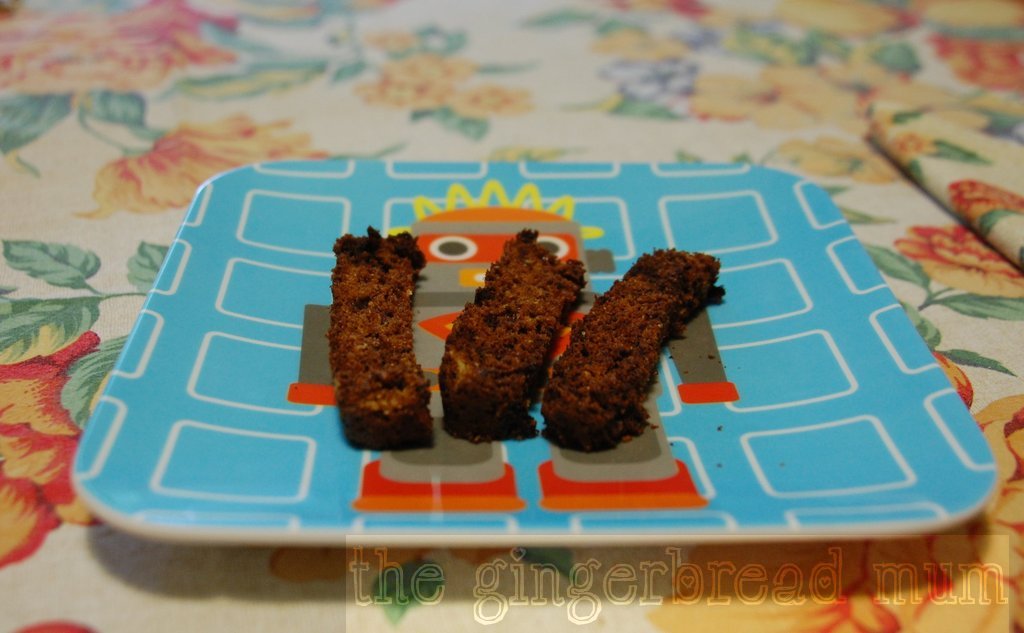
I came across a recipe for twice-baked banana teething biscuits by Jennifer Cheung. This is my first try and it needs some adjusting. The second baking was too long in my oven and it coincided with Nicholas needing more attention so I didn’t check them. Although in the photo of the original recipe the biscuits look very dark, mine came out looking more burnt :(. Oh well, not everything works all the time. Next time I would bake them the second time for 20-30 minutes. However, Nicholas hasn’t minded them being overcooked.

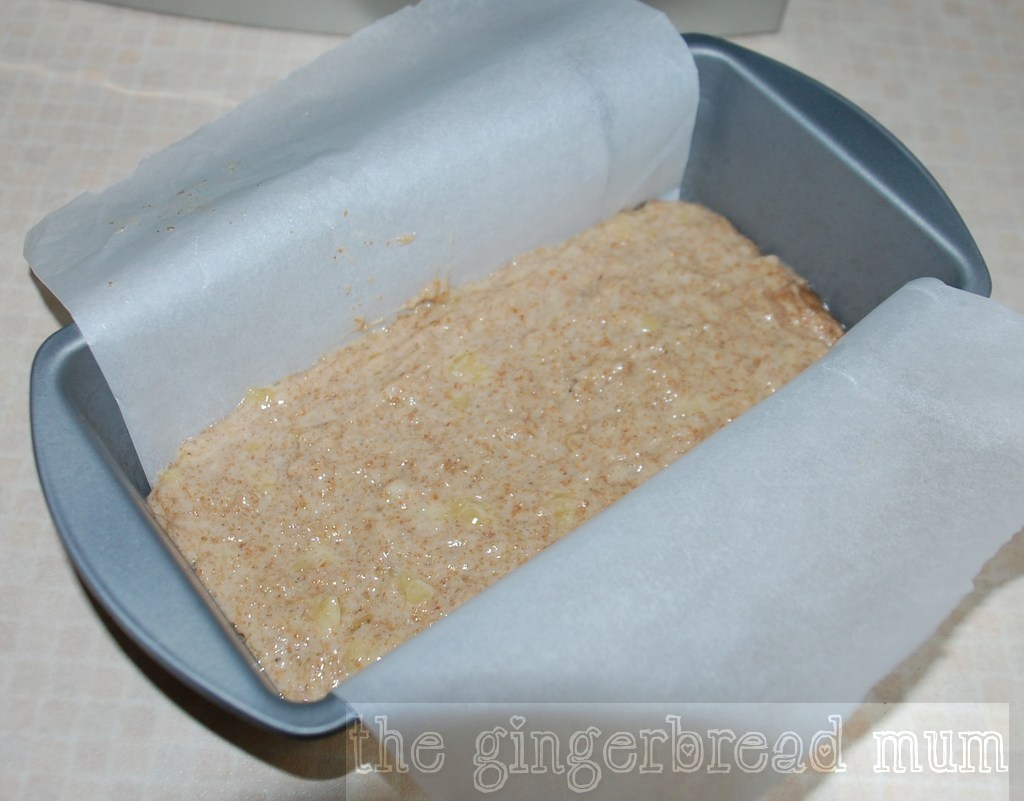
I made half the mixture. First because the recipe looked as if it would make a large amount of biscuits (although you can freeze the biscuits) and second because I had one and a half very ripe bananas that needed using and they mashed up into exactly half of what the original recipe needed. I used a loaf pan rather than the slice tin suggested because of the smaller amount of mixture, but it rose a lot so next time I’d use a wider tin.

BANANA TEETHING BISCUITS

Prep time: 10 mins
Cook time: 1hr 30 mins
Makes about 20
Freezable

1 tbsp brown sugar
1/4 cup vegetable oil
1 egg
1/2 cup mashed banana (about 1 1/2 bananas)
1 cup wholemeal flour
1 tsp baking powder
1/4 tsp bicarbonate of soda

Preheat oven to 180C and line a slice tin with baking paper.

Mix all of the ingredients in a medium-sized bowl until well combined.

Pour into prepared tin and bake for one hour.

Leave the oven door open to cool and drop the temperature to 150C.

Remove what now looks like a banana cake from the pan and cool a little. Slice into sticks (I found it easier to use a bread knife as my loaf was quite high) and lay the slices on a baking tray lined with baking paper.

Using a bread knife makes it easier to slice

After I took this photo I sliced some of the fatter biscuits in half

Bake for another 20-30 minutes.

What do you do when your little one is teething to help soothe their sore gums?

Update: my next attempt at these biscuits was much more successful… and also sugar-free!

Dairy-free banana ice cream

I can’t believe Nicholas has spent the afternoon in board shorts. It’s May. It’s the UK. I could get used to this weather!

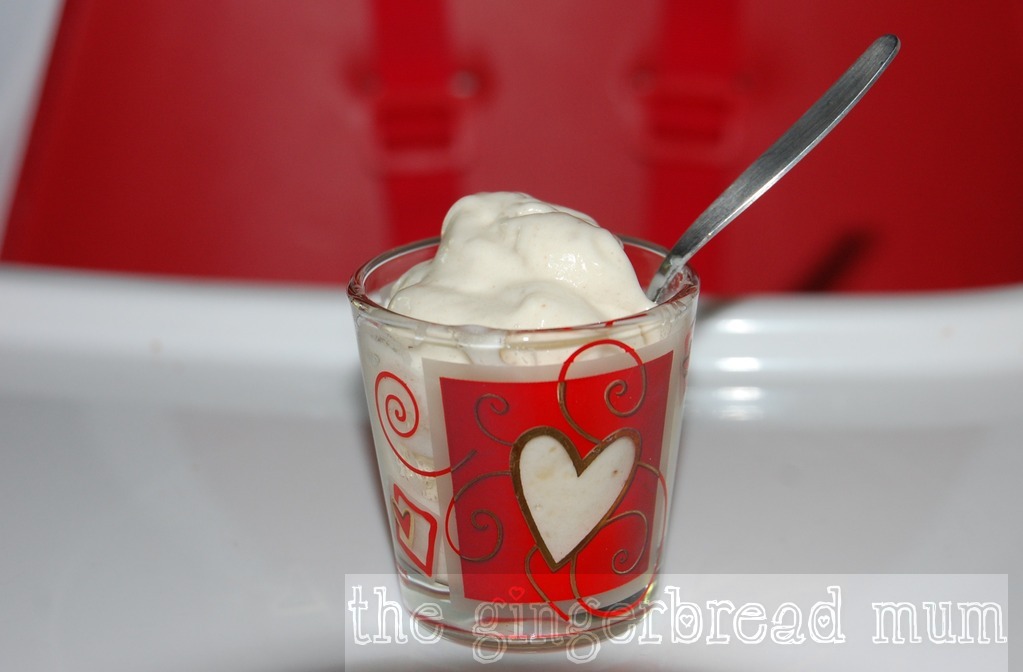
What’s the perfect thing to eat when it’s hot? Ice cream of course! And I can’t get over how simple this recipe is. You don’t need an ice cream machine and you only need one ingredient. Yes, I said one. It takes very little effort and it tastes great. It’s great for all the family and it’s dairy-free. It couldn’t be more perfect.

I caught a bit of a cooking show recently where two contestants cooked dinner in their homes for a group of strangers who then paid what they thought the dinner was worth. One was serving ice cream for dessert, but I was confused as she hadn’t done any preparation. Where was her ice cream maker and how could she be making it while her guests were eating their mains? She used a food processor but it still wasn’t clear how she made it. Her guests loved it and I started searching online for recipes.

So what I discovered was that frozen berries blended together in a food processor become a wonderful creamy ‘ice cream’. It sounded too easy. Why didn’t I already know about this? Before I got the chance to buy some berries to try it out, I stumbled across a very popular recipe on Pinterest using bananas rather than berries. Even better!

The bananas I used weren’t overly ripe. However, the riper and browner they are, the sweeter your ice cream will be.

DAIRY-FREE BANANA ICE CREAM

Prep time is cutting up the bananas, waiting for them to freeze and then blending them.
2 bananas make about 2 adult servings.

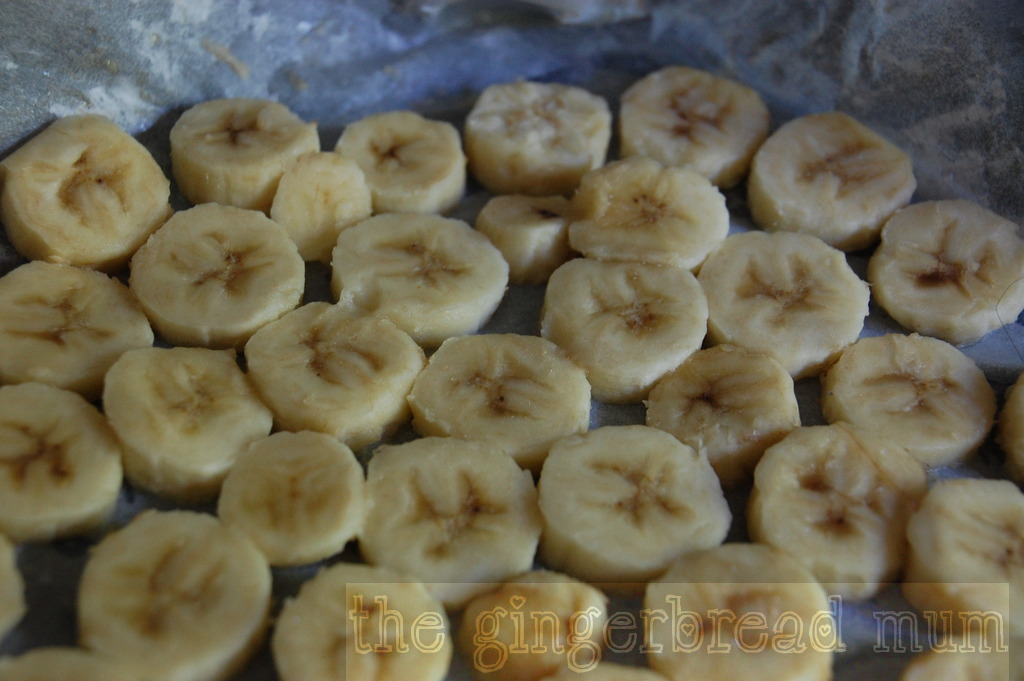
Cut your bananas into slices about 1cm thick and lay them on a tray covered with baking paper. Put in the freezer for a few hours until frozen. If you’re not going to use them immediately, put them in a bag and keep in the freezer.


Put your frozen banana slices into a food processor. For the small amount I made I used my mini food processor.

Blend and blend, scraping down the sides, until it becomes creamy (about 5 mins). Don’t worry if you think it’s not going to get creamy, don’t be tempted to add anything, just keep blending.


That’s it, you’re done. Now all you have to do is grab a spoon and try it, and I’m sure you’re going to be impressed with your effort. Just make sure to leave some for your munchkin to enjoy!

When hubby tried this he kept asking questions even though I’d told him how I’d made it. ‘But does it have any dairy in it?’ ‘No, it’s just banana.’ ‘There’s no sugar?’ ‘NO, it’s just banana!’

It’s definitely creamier if you eat it immediately. Freezing it again makes it icy and colder to eat, although you could blend it another time.

Variations:

  • add tahini paste before blending for a richer flavour
  • add chopped nuts
  • swirl through caramel or Nutella
  • add chocolate chips
  • use berries instead of the bananas

Other uses:

  • sandwich between two biscuits and roll in chopped nuts