RSS Feed

Tag Archives: recipe

Butternut squash soup

I got this recipe a few years ago from the Irish mum of a dear friend and it’s become the soup I make the most often. It’s lovely and thick, and perfect for warming you up on cold nights. It’s also easy to make (chop, simmer, puree and eat!).

If making this for the younger munchkins in your family, use a low-sodium stock. I usually use a stock I’ve made using a leftover roast chicken carcass as I can decide how much salt to add to it, if at all, but a low-sodium stock cube works just as well.

Add a swirl of cream or yogurt to each bowl just before serving. Please excuse my ‘artistic’ swirls in the photo. I was trying to be too clever and it didn’t work at all (you should have seen the efforts I didn’t photograph!).
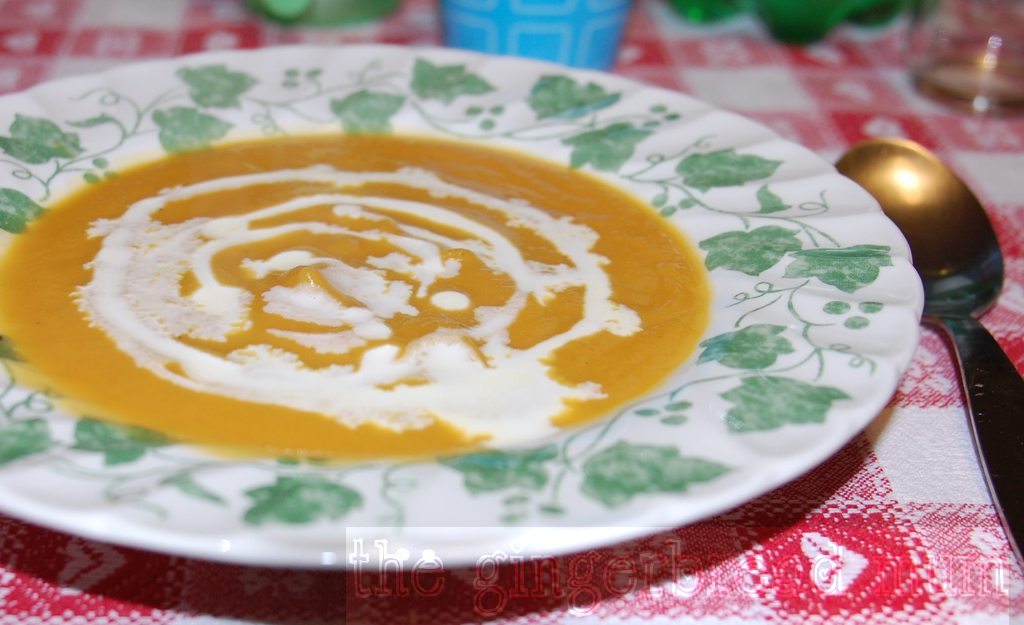
Nicholas is mostly enjoying having a vegetable soup starter before dinner. I’m definitely finding it the best way at the moment to get more vegetables into him, even though he’s going through a period of fussiness which means he’s sometimes eating very little for dinner. I spent a lot of time last week searching  for advice for fussy eaters and asking people for tips, then trying them out. There’s definitely a post on tips for fussy eaters in the pipeline.

In the meantime, enjoy the soup.

BUTTERNUT SQUASH SOUP

Prep time: 10-15 mins
Cook time: 30 mins
Makes 6 adult servings

1 large butternut squash, peeled and roughly diced
1 medium onion, diced
1 large carrot, peeled and chopped
1 sweet potato, peeled and roughly diced
1 litre chicken stock
1 tbsp olive oil
1 tbsp butter
Salt and pepper

Melt the olive oil and butter in a large pot over a medium heat. Add the vegetables and saute for about 5 mins.

Add the stock, bring to the boil and then simmer over a low heat until the vegetables are soft.

Remove from the heat and puree until smooth. Check for seasoning, and add salt and pepper if needed.

Serve with a drizzle of cream or yogurt.


Does your family have a favourite soup?

Stuffed butternut squash (family recipe)

I love butternut squash (or butternut pumpkin as it’s called in Australia). It’s amazingly versatile for a vegetable and has a lovely rich sweet taste. Roasted, mashed, made into a soup, added to risotto, shaped into patties or even baked in a cake, you can pretty much do anything with butternut squash.

As as puree, butternut squash is often a favourite with babies. Have it on its own or add some extra natural sweetness with some cooked unsweetened apple. Once you want to start introducing some other flavours to your baby, warm spices like cinnamon and coriander, or herbs like sage and thyme work well with butternut squash.

If you’re making my stuffed butternut squash for the whole family, buy a squash that has a long neck. Part of the neck will be roasted and pureed for a baby, and another part of the neck will be roasted and stuffed for a toddler, while the adults are left with the main body of the squash and a bit of neck.

I stuffed my squash with veal, but you can use any minced meat or a combination of meats (pork, beef, turkey, etc.). You can also quite easily make this dish vegetarian by mixing the roasted mashed squash with some fresh breadcrumbs or cooked rice or couscous, or even some other roasted vegetables like courgette; top with some toasted pinenuts or fried sage for a different texture.

STUFFED BUTTERNUT SQUASH

Prep time: 10 mins
Cook time: 1 hr
Serves 2 adults, 1 toddler and 1 baby

1 butternut squash with a long neck (approx. 1 kg)
1/2 tsp ground cinnamon
200g veal mince
1/2 onion, finely diced
about 2 tbsp of olive oil
salt and pepper
1 1/2 tbsp breadcrumbs
a handful of grated cheese (for example, cheddar or parmesan)

Preheat the oven to 190C. Line a baking tray or roasting pan with some foil or baking paper to minimise cleaning.

Wash the outside of the butternut squash and pat dry. Halve it lengthwise and scoop out the seeds. Cut off two pieces from the neck. Place the squash on the roasting tray, cut side up, and drizzle each piece with a little olive oil. Sprinkle over the cinnamon. Season the main body pieces for the adults with some salt and pepper.

Roast for 35-45 mins until the flesh is soft (the two smaller pieces will take less time to cook). Remove from the oven to cool but leave the oven switched on.

While the butternut squash is cooking, heat 1 tbsp of olive oil in a frying pan over a med heat. Cook the onion until soft (about 3-4 mins). Turn up the heat a little, add the veal and fry until just cooked through (about 5 mins). Season and remove from the heat.

For baby:
Remove the peel from baby’s piece of roasted squash and mash or puree the flesh to the desired consistency. Add an extra pinch of cinnamon or ground coriander if you wish.

For toddler and adults:
Scoop out most of the flesh from the remaining pieces of roasted squash, leaving a thin border of flesh around the edge. Mash the flesh and stir in the veal mixture. Spoon back into the pumpkin pieces and place back on the roasting tray. Sprinkle with the breadcrumbs and cheese. Cook for another 5-10 mins in the oven until the top is golden brown.

Tip: rinse off the discarded seeds, pat dry and then roast in a dry frying pan. Sprinkle over the butternut squash to serve or eat them as a snack another day.

Baby oat cakes

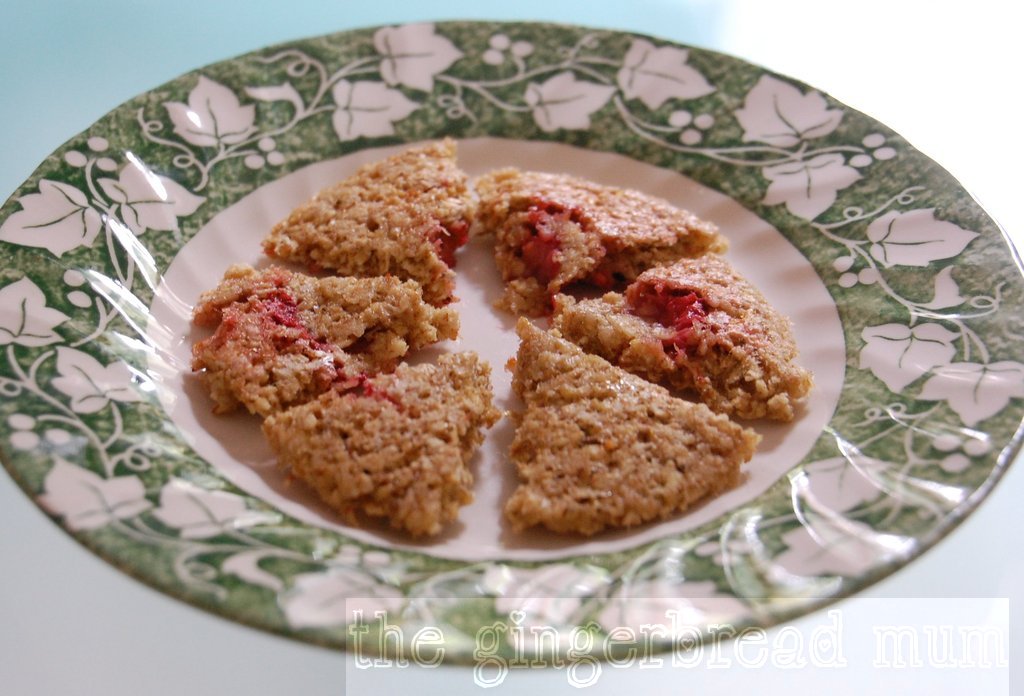
My regular readers will know by now that I always need inspiration for breakfast. So when I came across Laura’s microwave raspberry oat cakes, I woke up the next morning with a spring in my step, eager to try them.

I’m a big fan of porridge for little ones as there are so many variations you can do, and this is a brilliant different way to use porridge oats. It’s also super quick and open to variations.

These mini oat cakes would be perfect for baby-led weaning, ideal finger food for a toddler snack, and I even made another for my afternoon tea!

Laura makes hers with frozen raspberries. I first tried frozen strawberries and then some raisins I’d soaked in warm water (if giving to a baby, it’s important to first soak any dry fruit to avoid any possible choking hazard). Try to use a banana that’s as ripe as possible as it will be sweeter (actually this is another great recipe for using up overripe bananas).

They were a great success with Nicholas who called them biscuits and dunked them in milk. He said ‘yum’ in English and Italian as well as signing it, interspersed with requests for ‘more!’. I couldn’t have been happier 🙂

Check out more of Laura’s budget-friendly family recipes on her blog Small Wallet Big Appetite.

BABY OAT CAKES

Prep time: 3 mins
Cook time: 4 mins
Makes 1 oat cake

1/2 medium banana
1/4 cup (20g) raw porridge oats
A pinch of cinnamon
4-5 pieces of chopped frozen strawberry

Mash the banana in a small microwave-safe bowl (I used one that was about 10cm across at the bottom).

Add the cinnamon and oats, mixing well so all the oats are covered in banana.

Gently mix through the frozen pieces of strawberry.

Press the mixture down firmly into the bottom of the bowl and cook in the microwave on high for 3-4 minutes until it turns into a firm little cake.

Tip the mini cake out. Once cooled, cut it into wedges.

Variations:

  • use other frozen berries instead of strawberries
  • use dried fruit (raisins, chopped apricots, etc) instead of strawberry, but soak them beforehand if giving to a baby

Mini vegetable pakoras

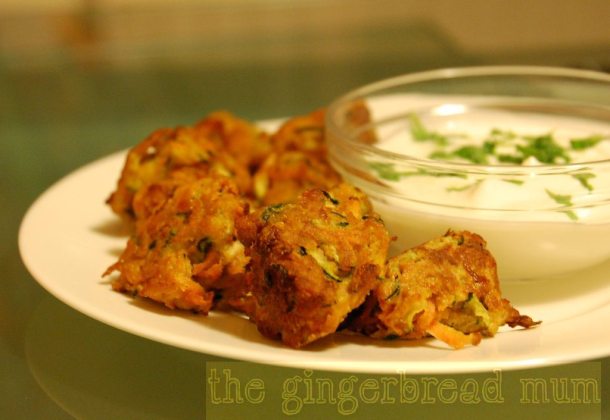
Pakoras were my inspiration for these golden vegetable nuggets. You can use almost any vegetable you like and make them as mild or as spicy as you like. See if you or your little ones can resist them!

My recipe is over at Mindful Mum.

Minty pea soup

Nicholas is going through another of his phases where he can be fussy about eating vegetables. If I serve him protein and vegetables on the same plate, he’ll devour the meat or fish first and then just pick at the vegetables. We’ve been known to resort to bribing him with meat, along the lines of ‘If you eat another two spoonfuls of broccoli, you can have some meat.’ It works, but I don’t like doing it.

I was starting to rethink his meals, thinking about getting him to start with vegetables first before having protein, but without having to dish up the various components separately. A vegetable soup starter was looking like a good option. Then I read Helene’s post over at French Food Baby explaining the typical four-course French meal and I was sold.

What Helene does is have a vegetable starter before the main course, the logic being that you fill up on the vegetables when you’re at your hungriest, most likely eating a smaller portion of protein for the main. This doesn’t just sound good for little ones!

Helene suggests having a vegetable soup or vegetable finger food (cooked or raw) for the first course. I like the idea of offering a vegetable tasting plate to give your child a feeling of independence as they decide what to eat, and, as Helene does, you can have a couple of days’ worth of vegetables prepared in the fridge ready to go. Now I just need to get my act together and do this!

Soup, on the other hand, I’ve tried and so far it’s worked. A small bowl of soup as a starter at dinner and then I don’t worry so much about how many other vegetables Nicholas is eating off his main course plate (and meal times are less stressful). And you can find lots of soup recipes that don’t take much time at all to prepare (in fact you don’t want to be cooking the vegetables very long that their nutrients boil away). Keep it in the fridge for a couple of days and then freeze any leftovers for days when you don’t have much time (or desire) to cook.

I’ve been mainly doing root vegetable and lentil combinations, like carrot and lentil, but then saw this soup recipe on the BBC Good Food site and could immediately taste the sweetness of the peas and the freshness of the mint. I made a simpler version using frozen peas, omitted the garlic, sugar, lemon juice and buttermilk, reduced the mint slightly and used shallots instead of spring onions. I liked the taste of the soup without adding any dairy to it (I think it would lose some of its freshness), but I did add some small dollops of yogurt for colour on top.

This soup would make a great starter for adults at a dinner party or other occasion when you’re having a few courses as it’s not heavy on your stomach. It would also work as a cold soup.

You can , of course, use stock made from a stock cube (use the low-salt kind if making it for little ones), but because of the limited ingredients, it will taste much better if you use a good quality stock.

MINTY PEA SOUP

Prep time: 10 mins
Cook time: 20 mins
Makes 4 adult servings
Freezable (without adding the yogurt)

3 shallots, roughly chopped
1 medium potato, peeled and diced
850ml chicken or vegetable stock
250g frozen peas
3 tbsp chopped fresh mint
Salt and pepper
Yogurt to serve

Put the shallots, potato and stock into a large pot and bring to the boil. Turn down the heat to low and simmer for 10-15 mins until the potato is cooked.

Add the frozen peas and simmer for another 5 mins.

Take off the heat and add the mint. Blend with a hand blender or in a food processor until smooth. Taste, and add salt and pepper if necessary.

Serve hot or cold with a dollop of yogurt.

Variations:

  • use onion or spring onions instead of the shallots

What other ways do you use to get your munchkins to eat more vegetables?

Mini lamb and mint burgers with cheesy polenta

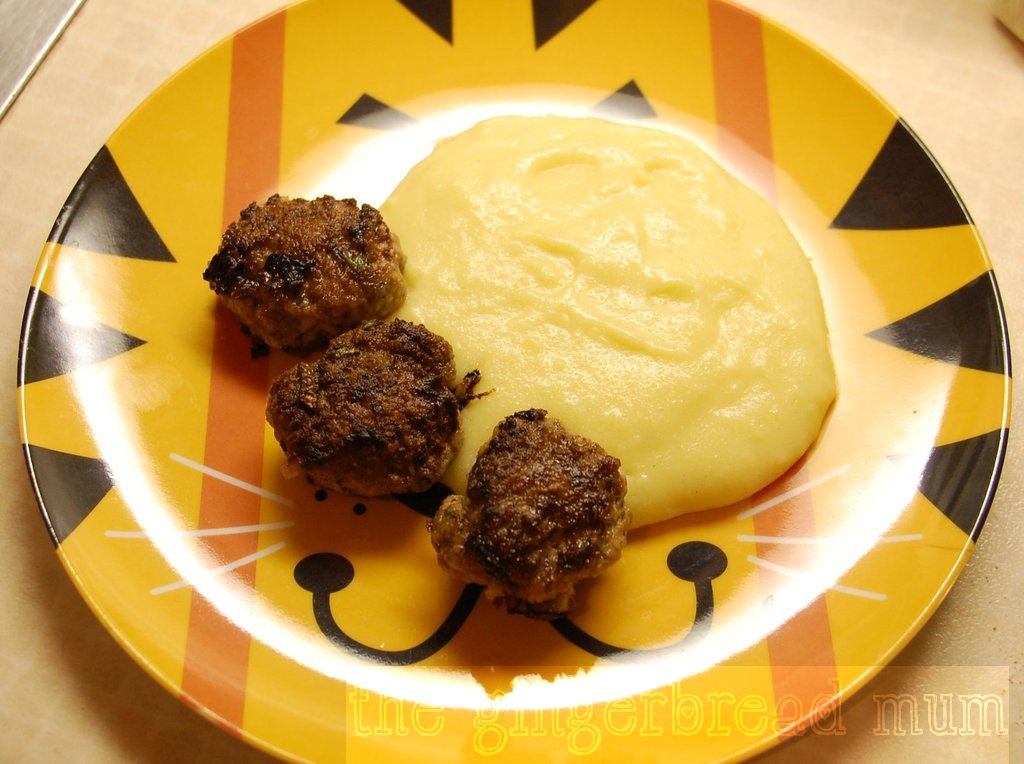
I love a lamb burger. Moist and still a little pink, it needs little else to flavour it. But just like the perfect pairing of roast lamb and mint sauce, throwing some fresh mint into the lamb mince adds a sweet zing.

I love the colour of polenta, but personally I don’t like it. Never have and don’t understand why people make such a big deal about it. HOWEVER, I mustn’t push my preferences onto Nicholas! I do think though, that cheese makes pretty much everything taste better (honestly I could live off cheese and bread, with the odd steak and potato thrown in every now and then). And with “cheeeeese” being one of Nicholas’ favourite foods (or “maggio” if he’s talking to Papà), I just had to add it to the polenta.

These are mini lamb burgers for little pudgy fingers to pick up and devour, but just make them bigger and cook them a little longer for bigger people.

Polenta, cheesy or plain, is a great meal for babies. You can leave out the salt and oil at the start of the recipe, and not add the butter after it’s cooked. They can have the polenta on its own while the rest of the family also have the burgers, so you just have to cook one meal.

Put any leftover polenta into a cake or loaf baking tin and leave it in the fridge. Once it’s cold, cut it into fingers, brush or spray with a little oil and fry for a couple of minutes on each side until crisp on the outside. Eat on their own or dip into a homemade tomato sauce.

MINI LAMB AND MINT BURGERS

Prep time: 10 mins
Cook time: 10 mins
Makes about 18 mini burgers
Freezable

250g minced lamb
1 shallot, finely diced
1 egg yolk
1-2 tbsp breadcrumbs
1 tbsp fresh mint, finely chopped
salt and pepper (optional)
Drizzle of olive oil

Mix the lamb, shallot, egg yolk and mint in a bowl with 1 tbsp of breadcrumbs. Season if using. Add another tablespoon of breadcrumbs if the mixture is too wet to mould into small balls.

Heat the olive oil over a med-low heat in a large frying pan.

Shape the mixture into small balls, flattening them when you place them in the pan. Cook for a few minutes both sides until just cooked through.

CHEESY POLENTA

Prep time: 5 mins
Cook time: 20 mins
Makes 2 adult and 1 toddler serving

500ml (2 cups) water
125ml (1/2 cup) milk
Pinch of salt (optional)
1 tsp olive oil
1/2 cup polenta or cornmeal
1/3 cup cheddar cheese, coarsely grated
30g unsalted butter, chopped

Put the water and milk (and salt, if using) into a saucepan and bring it to a light boil. Turn down the heat to low and add the oil.

With a whisk, start stirring as you very slowly add the polenta. Be careful not to add too much at a time as it easily creates lumps which are then very difficult to get rid of.

Continue cooking, stirring with a wooden spoon every so often until it thickens and starts to come away from the side of the saucepan (about 20 mins).

Remove from heat. Add the cheese and butter and stir until melted. If the polenta is too thick, add a dash of milk. Add more seasoning to the adult servings.

Other uses:

  • Serve the cheesy polenta with a chunky tomato or vegetable sauce, or sautéed mushrooms instead of the lamb burgers.
  • Chill the polenta in a baking tin and cut into fingers; lightly oil and fry until crispy.

Scary finger biscuits

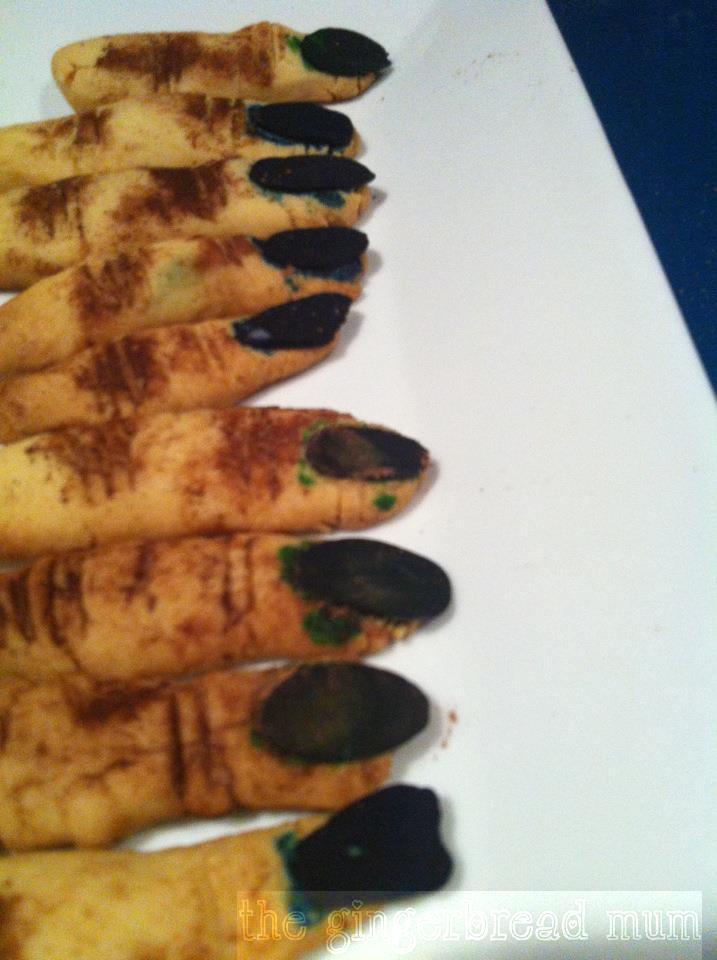
The countdown is on for Halloween, and one of my oldest and dearest friends, Kath, made these fabulously spooky fingers with her son. Are you brave enough to try them?

There are quite a few pins of severed finger biscuits floating around on Pinterest, but I loved that Kath’s version look like zombie fingers that have clawed their way out of the ground! The spooky effect is easily achieved by dying flaked almonds for the fingernails and dusting the cooked biscuits with some cocoa powder ‘dirt’. Kath also added some spots of green food colouring for a mouldy effect!

Kath used a simple plain biscuit recipe from Martha Stewart. The recipe makes a lot, but you can freeze the leftover dough for up to three months and make some different biscuits another time.

SCARY FINGERS

Prep time: 20 mins, plus 20 mins for dough to chill
Cook time: 15 mins
Makes about 30 fingers

2 cups plain flour
1/2 tsp baking powder
1/4 tsp salt
1/2 cup unsalted butter, softened
1 cup granulated sugar
1 large egg
1 tsp vanilla extract
Flaked almonds
Black food colouring (or red and blue food colouring mixed together)
Cocoa powder for dusting

Colour almonds by putting them in a bowl and covering with food colouring, leaving them to soak until they become black. Dry on paper towel.

Sift the flour, baking powder and salt into a bowl.

In a food processor, cream the butter and sugar until light and fluffy. Add the egg and vanilla, and then on a low setting, gradually add the flour mixture and beat until combined.

Take the dough out of the food processor and press it together. Divide it in two, wrap each piece in cling film (or place in a ziploc bag) and freeze until firm (about 20 mins).

Preheat oven to 160C and line oven trays with baking paper.

Take one piece of dough from the freezer and shape it into fingers by rolling pieces to about 8-10cm in length (if the dough is too hard, let it stand for 5-10 mins to soften a little).

Squeeze one end of each biscuit to form the finger tip and again near the centre to form the knuckle. Use the back of a knife to lightly score around the knuckles. Press a coloured almond flake into each finger tip to create the nail. Repeat with the other piece of dough or leave it frozen for another day.

Place the fingers on the oven trays and bake for 10-15 mins.

Let cool and lightly dust with cocoa powder.

Variations:

  • Use whole unblanched almonds for fingernails without colouring them, or whole blanched almonds painted with food colouring.
  • Dab red jam on the end of each biscuit for freshly severed fingers.
  • Colour the biscuit dough with food colouring to make monster fingers.