RSS Feed

Tag Archives: recipe

Orange and Soy Sole

As promised, here is one of the recipes I tried from Annabel Karmel’s new book, ‘Quick and Easy Toddler Recipes’, which I reviewed in a previous post and which is out today.

I’ll definitely be making this again. It’s very quick (under 10 minutes!), very tasty and perfect to make for the whole family. Even if your little one isn’t a huge fish fan, give this a try as the sweetness of the orange juice might change their minds. You could cut the fish into more manageable ‘fingers’, before dusting with flour, for little hands to feed themselves.

orange and soy sole

Serve with a side salad for adults and some raw vegetable sticks for toddlers (prepare a stash of these to keep in the fridge for a few days to save you some time).

Annabel’s recipe says two lemon sole fillets makes 1-2 portions which is confusing to me as the serving sizes throughout the book seem to be a toddler portion. For me, allow at least one fillet (one half of the fish) for each adult and 1/2-1 fillet for each child.

You don’t just need to use lemon sole with this orange and soy sauce; any white fish (cod, plaice, haddock, etc) would go well with the sauce. Next time I’m going to try it with salmon chunks for Nicholas.

ORANGE AND SOY SOLE

Prep time: 5 mins
Cook time: 3 mins
Feeds 1 adult and 1 toddler

2 lemon sole fillets, skinned
Salt and pepper
Plain flour, for dusting
A knob of butter, for frying
1 tbsp orange juice
1 tsp soy sauce

Season the fish fillets and coat them on both sides with the flour, shaking off any excess.

Melt the butter in a frying pan until foaming, add the fish and fry for 1 and 1/2 minutes. Turn them over and fry for 1 minute more.

Mix the orange juice and soy sauce together, pour it over the fish and let the sauce bubble away for 30 seconds.

Serve immediately.

Quick and easy chicken and vegetable satay

When I stayed with my childhood best friend during our trip to Australia six months ago, I had a good peruse of her handwritten recipe book (isn’t that what you do when you’re catching up with friends you haven’t seen for years?!). It’s where I ‘stole’ her mum’s delectable recipe for lemon slice and then was delighted to see this recipe sourced from me many years ago.

I used this make this recipe a lot when I was first venturing into the world on my own after university (probably sourced from a magazine), but over the years had forgotten about it. It’s certainly not an authentic satay recipe, but the great thing is it’s packed with flavour without having to marinate the chicken beforehand therefore saving you time. I also love you throw all the sauce ingredients into a pot and stir and that’s it!
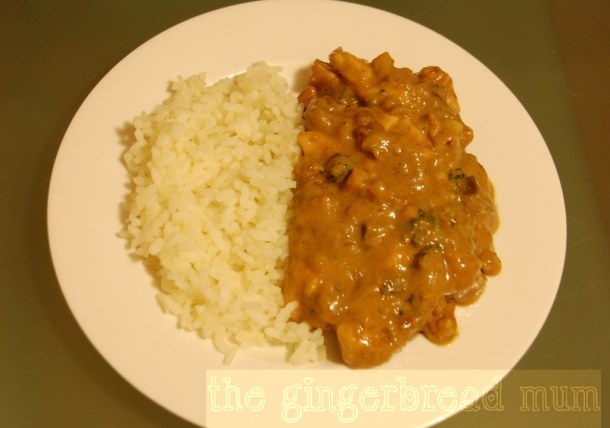
quick and easy chicken and vegetable satay

You could easily make this just with chicken, leaving out the vegetables (perhaps have some stir-fried or steamed vegetables on the side instead) or you can reduce the amount of chicken (it is quite a lot) and add more vegetables. Nicholas is a huge fan of satay sauce and will happily eat vegetables he normally refuses to just look at simply because they’re covered in satay sauce! And you really can use pretty much any vegetable you want (I’ve successfully used combinations of cauliflower, carrots, peas, beans, mushrooms, potato, sweet potato, baby corn, peppers/capsicum and broccoli). Now if only I could get Nicholas’ papà to like satay sauce…

QUICK AND EASY CHICKEN AND VEGETABLE SATAY

Prep time: 20-25 mins
Cook time: 25-30 mins
Makes 4-6 adult servings

1/4 cup peanut butter (smooth or chunky)
2 tbsp honey
2 tbsp lime or lemon juice
2 tbsp soy sauce
1 clove garlic, crushed
1 tsp curry powder
1/2 tsp ground cumin
1 cup hot chicken stock or water
1 tbsp vegetable oil
1kg chicken thigh or breast fillets, sliced or chopped
1/2 cup plain flour
500g assorted vegetables, chopped into stir-fry size

In a medium-sized saucepan combine the peanut butter, honey, lime juice, soy sauce, crushed garlic, curry powder, cumin and stock. Stir over a medium heat and gradually bring to the boil. Reduce the heat to low and simmer uncovered for about 5 minutes or until the sauce has thickened slightly.

While the sauce is simmering, heat the oil in a large non-stick frying pan.

Put the flour in a large bowl and stir through the chicken pieces until coated. Tip the chicken into a colander or sieve and shake off the excess flour. (Coating the chicken pieces in flour helps prevent them from overcooking too easily and the flour will also help thicken the sauce later.)

Stir fry the chicken in several batches until browned. Remove from pan and drain on paper towel.

Stir fry the vegetables for 2 minutes ot until they’re just soft. Return the chicken to the pan and add the sauce. Stir fry for about 3 minutes or until heated through.

(If the sauce isn’t thick enough for your liking, add a teaspoon of cornflour or plain flour dissolved in cold water and mix it thoroughly through the sauce, cooking for an extra minute or two.)

Serve with your preferred cooked rice.

quick and easy chicken and vegetable satay

Variations:

  • use thin strips of beef or turkey instead of chicken.
  • substitute the stock or water with coconut milk for a creamier sauce.
  • instead of stir frying the meat and vegetables, thread them onto skewers and cook over a grill, then pour over the satay sauce to serve.
  • for a vegetarian version, replace the chicken with tofu or paneer (a cheese commonly used in Indian cooking that you can actually make yourself!).

Other uses:
Use the sauce as a dipping sauce for sticks of raw vegetables such as celery, capsicum, carrot (perfect for toddlers who love to dip)

Please note: Peanut butter is high in nutrition and a good source of protein, but peanuts are one of the most common food allergies.  If you have a family history of allergies of any kind, you should talk to your GP or health visitor before giving your baby any peanut products. In the UK it’s suggested not to give peanut butter to babies under 6 months; it’s also recommended not to give children below the age of five whole nuts because of the risk of choking (either crush or break them into small pieces).

Cooking with Tea – Spicy Black Tea Cookies

A few months ago I happily reviewed two tea flavours from the Tea India range which had recently launched in the UK. And, just quietly, my period of drinking Vanilla Chai hasn’t stopped; I still love it.

The gorgeous award-winning chef Ravinder Bhogal is now working with Tea India, creating exclusive recipes using their wonderful premium tea blends and I’ve been given a sneak peek of some of them! Keep reading after the recipe to find out how you can get free tea from Tea India as well as all of Ravinder’s recipes.

Tea India, Ravinder BhogalI have to say that using tea for something other than a cuppa intrigues me. I once tried smoking steaks with lapsang souchong tea leaves (which already have a very strong smoky aroma); the steaks picked up very little extra flavour, but the house smelt like we’d had an indoor barbecue for several days!

Now I can say I’ve been successful in cooking with tea thanks to Ravinder’s recipes. Her spicy black tea cookies are a very interesting take on the humble oatmeal cookie. While I don’t think anyone would guess the ‘secret’ ingredient of black tea, its addition, together with some other more common spices, gives the cookies a lovely and very rich warm spice. I’m nibbling on one as I type 😉

When I made them I was in a hurry when shaping the logs (Nicholas woke up early from his nap) and so made them much wider than the recipe. This meant the log was more difficult to slice cleanly later (I had to squish some broken off pieces of dough back into the cookie shapes). Even so, I ended up with 15 cookies, cutting the slices about 2cm thick, so Ravinder must be cutting her cookies quite thickly. Maybe slice a couple of different thicknesses to see which you prefer, or just leave it up to your kids to decide if they’re helping you make them.

Ravinder suggests eating the cookies warm (who doesn’t like a cookie almost straight from the oven?); they’re just as moreish and yummy cold.

SPICY BLACK TEA COOKIES

Prep time: 12-14 mins
Cook time: 15-20 mins
Makes 12-15 biscuits
They will keep in an airtight container for up to four days

2 Tea India black tea bags (leaves only)
125g butter, softened
100g soft brown sugar
70g self-raising flour
120g oats
1 tsp ground cinnamon
1 tsp ground ginger
1 1/2 tsp mixed spice

Preheat the oven to 180C (160C fan) and line two baking trays with baking paper.

In a large bowl, cream the butter and soft brown sugar.

Add the oats, flour, tea leaves and spices, and mix until well combined.

Roll the cookie dough into a log shape approximately 5cm in diameter. Wrap in cling film and chill for 5 minutes.

To bake, remove from the fridge, unwrap and slice into 12 even sized pieces. Place on the prepared trays.

Bake for 15-20 minutes or until the edges are just golden brown.

Allow to cool on the baking trays before serving warm.

Tea India Range

Tea India has a Facebook promotion (until 3 June 2013, so be quick!), You & I and a Cup of Chai, where it’s giving you the chance to share a free selection of its finest Tea India blends with your friends and family. Find out more here.

Tea India will be releasing Ravinder’s recipes on their Facebook page over the next few months, including mouth-watering Cardamom Kisses using their Cardamon Chai tea. I’m lucky to be able to try these very soon, but you’re just going to have to keep checking back 😉

Disclosure: I was sent two boxes of tea to sample and cook with. My opinions are honest and my own.

Carrot and coriander soup

You can’t beat carrot and coriander soup. It’s simple, yummy, filling and cheap. My recipe isn’t very different to most you can find, but this is one recipe not worth experimenting with!

carrot and coriander soup

CARROT AND CORIANDER SOUP

Prep time: 10 mins
Cook time: 15-20 mins
Makes 4 adult servings

1 tbsp olive oil
1 onion, diced
500g carrots, roughly chopped
1 tsp ground coriander
1 litre hot vegetable or chicken stock
large handful fresh coriander, roughly chopped
Salt and pepper

Heat the olive oil in a large pot over a medium heat. Add the onions and carrots, and cook for about 5 minutes until the vegetables are starting to soften.

Add the ground coriander, some salt and pepper and cook for another minute.

Add the stock, bring to the boil then reduce the heat to medium-low. Cover and cook for 10-15 minutes until the carrots are soft.

Take off the heat, add the fresh coriander and purée until smooth. Check if you need to add any seasoning.

Beetroot, feta and thyme muffins

Beetroot is one of those vegetables I often think about using but never do. Perhaps it’s because growing up, beetroot only came from a can, precooked and sliced, its bright juice ready to stain as much clothing as possible on the way to your mouth. I was never a fan of its earthy flavour.

Well I can finally say I have cooked with it, although I took the easy option this time of buying it in a vacuum sealed pack already cooked (next time, next time). And I also managed to come out the other end stain-free!

Beetroot is a very good source of potassium and manganese, but while it’s very low in fat, it’s also high in natural sugars.

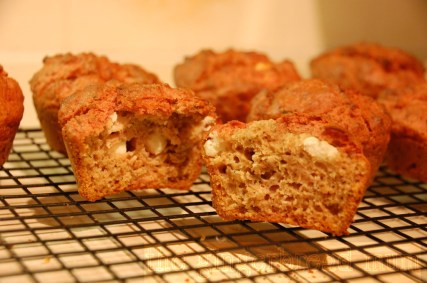
savoury beetroot, feta and thyme muffins

I paired the earthy flavour with feta and thyme for these savoury muffins. Feta and beetroot are a classic combination; goat’s cheese would also work well. I used a mixture of white and wholemeal flour, but you can certainly use just white flour if you prefer.

I was very happy to see my muffins still had a lovely pink hue on top when I took them from the oven (although you can’t really see that in my photos). But when I broke one apart, the inside was a normal muffin brown colour (can anyone enlighten me about this?).

BEETROOT, FETA AND THYME MUFFINS

Prep time: 15 mins
Cook time: 25-30 mins
Makes 12 regular-sized muffins

200g self-raising white flour
100g self-raising wholemeal flour
1/2 tsp baking powder
100g feta, crumbled or diced
1 tbsp fresh thyme leaves
200g cooked beetroot (1 large beetroot), finely grated
2 eggs, lightly beaten
210ml milk
90ml vegetable oil
1/2 tsp salt (optional)

Preheat the oven to 200C. Either lightly spray a 12-hole muffin tray with cooking spray or line with paper cases.

Mix the white and wholemeal flours, baking powder, feta and thyme in a large bowl.

In a separate bowl or jug, combine the grated beetroot, eggs, milk, oil and salt (if using). Add this to the flour mixture, mixing until just combined (mixing as little as possible keeps your muffins light in texture).

Divide the mixture evenly between the 12 muffin holes.

Bake for 25-30 minutes until cooked through when tested with a skewer.

Tip out onto a wire cooling rack.

Savoury beetroot, feta and thyme muffins

Variations:

  • use goat’s cheese instead of feta.
  • if you don’t have any fresh or dried thyme, substitute with chives or parsley.

Tip: to avoid getting beetroot juice all over your kitchen when grating it, put your grater into a good-sized bowl to catch the juice and wayward pieces as you grate.


Baked porridge slice (sugar-free)

I still make Nicholas baby oat cakes now and then for breakfast to avoid always eating the same thing. I love that you can whip them up in no time and can easily vary the flavours by adding different fruit. But I also wanted to try making something ahead of time that could also work well as an afternoon snack. I came up with a baked porridge slice.

The slice is sugar-free and, like the baby oat cakes, very easy to make. Make it ahead of time and heat it up for breakfast or have a slice cold for a snack. It would be a nice next food step for babies who happily eat banana porridge and who are moving on to finger foods.

The pumpkin and sunflower seeds add a nice crunch as well as extra nutrition, but you can easily leave them out.

Baked porridge sliceBAKED PORRIDGE SLICE

Prep time: 10 mins
Cook time: 25-30 mins
Makes 8-10 slices
Keeps for a couple of days in an airtight container

1 cup porridge oats
1/2 tsp baking powder
1 cup milk
1 tsp vanilla extract
2 tbsp pumpkin seeds
2 tbsp sunflower seeds
2 tbsp applesauce / apple puree
1/2 tsp cinnamon
1 banana, sliced

Preheat the oven to 175C and line a loaf tin with baking paper.

In a medium-sized bowl, combine all the ingredients apart from the banana and mix well.

Pour the porridge mixture into the loaf tin and spread out evenly. Place the banana slices on top of the mixture.

Bake for 25-30 minutes until the top is golden brown and the slice is coming away from the edges of the tin.

Cool before cutting into slices.

Sugar-free Anzac biscuits

Tomorrow (25th of April) is ANZAC Day. The word ‘ANZAC’ (an acronym for the Australian and New Zealand Army Corps) was coined during WW1 to refer to the Aussie and Kiwi troops in Egypt. More than 10,000 of them lost their lives during the campaign to capture Gallipoli in Turkey, which saw them landing on the penisula on the 25th of April 1915. Now ANZAC Day not only remembers these WW1 soldiers but all the Australian and New Zealand men and women who have served and died in wars.

Anzac biscuits came about supposedly when the soldiers’ loved ones wanted to send them something nutritious from home. They had to send something that could withstand a couple of months travel without refrigeration and use ingredients that were readily available during the war. The traditional Anzac biscuit of rolled oats, sugar, plain flour, coconut, butter, golden syrup or treacle, bi-carbonate of soda and boiling water was born.

sugar-free Anzac biscuits

If you would like to make the traditional Anzac biscuit there are many recipes online, including this one on the ANZAC Day Commemoration Committee website and also here (with a choice of crisp or chewy biscuits).

I experimented to make a sugar-free, more toddler-friendly version. Instead of the sugar and golden syrup (or treacle in some recipes), I used honey and applesauce (unsweetened pureed apple). The texture with these two substitutions produces a biscuit with a soft chewy centre, but you can make them less chewy by flattening out the biscuits as much as possible before cooking them.

They went down very well with Nicholas (he’s had them as snacks and also for breakfast, and they survive dunking in milk very well). Hubby, who usually doesn’t like my sugar-free experiments, has happily eaten them without complaint, while I’ve also scoffed a few feeling a lot less guilty than if they were packed with sugar.

This would be a great recipe to try making with your munchkins, but because of the honey it’s advised not to give these biscuits to little ones under 12 months old. It’s also a recipe that’s easy to halve if you don’t want to make so many biscuits.

SUGAR-FREE ANZAC BISCUITS

Prep time: 10 mins
Cook time: 15-20 mins
Makes about 30 biscuits

1 cup rolled oats
1 cup plain flour
3/4 cup desiccated coconut
125g butter
1/2 cup honey
1/4 cup applesauce / apple puree
1/2 tsp bicarbonate of soda
1 tbsp boiling water

Preheat the oven to 160C and line two oven trays with baking paper.

Gently melt the butter with the honey either in the microwave or in a small saucepan. Let cool.

Combine the rolled oats, plain flour and coconut.

Mix the bicarbonate of soda with the boiling water and add it to the cooled butter mixture.

Stir the butter and bicarbonate of soda mixture into the dry ingredients, add the applesauce or puree and mix until combined.

Place teaspoonfuls of the mixture (it’s normal that it’s quite runny) onto your prepared trays and flattened the mixture out (the thicker the biscuit the softer and more chewier the centre will be). Unlike traditional Anzac biscuits, these won’t spread any more during cooking.

Bake for 15-20 minutes until golden brown. Remove carefully from the trays (they’ll still be quite soft) to cool on a wire rack.

Other uses:

  • Use the biscuits as the base for individual unbaked cheesecakes: place a whole biscuit in the bottom of a muffin tin (lined with a paper case to get it out more easily), top with your preferred cheesecake mix and refrigerate.
  • Use broken up biscuits as a crumble topping for cooked fruit.

I’m linking this recipe to the AlphaBakes monthly challenge (this month it’s the letter ‘A’) jointly hosted by Ros from The More than Occasional Baker and Caroline from Caroline Makes.
AlphaBakes Logo