RSS Feed

Monthly Archives: May 2014

Review: a2 Milk

For my regular readers you know one of the things I like experimenting with in the kitchen is making dairy-free versions of recipes I love. It’s not only because I have a dear friend who’s lactose intolerant, but also because I’ve had periods in my life where dairy has seemed to have been a contributing factor to horrible eczema.

Cutting out dairy products during those periods was incredibly difficult for me.  I love dairy! I love milk, I love cheese (the smellier the better!), I love yogurt, I love ice cream…

My Aussie grandparents had a house cow. ‘What’s a house cow?’ you might be asking. Well it’s when you don’t live on a farm, but have enough backyard for a ‘pet’ cow who keeps you supplied with milk! Because of my grandma and her love of dairy, I can’t eat cornflakes. This is because, as a very little girl, she got be used to eating cornflakes not with milk but with cream! I’d happily munch through a bowl of cornflakes and cream now, but it’s not the healthiest start to the day.

Anyway, I love dairy and, perhaps unsurprisingly, I’ve married a man who loves dairy too. We get through 12 pints of milk a week (I think that’s almost 7 litres)!!! But hubby complains of bloating and I’ve also started noticing my tummy going from a reasonable size on waking up to being much bigger after even a small breakfast.

Enter the absolutely lovely Lindsay who hand-delivered some a2 Milk for us to try.

a2 Milk
A2 milk was actually introduced in Australia many years ago (here in the UK we’re a bit behind when it comes to allergy-friendly products) and many people swear by it. People say it’s cleared up allergic rashes, stopped bloating and even improved behaviour in children. But what is A2 milk you ask?

To put it simply, cows’ milk contains protein. There are two differents types of protein (A1 and A2). Interestingly all cows used to only produce A2 protein until a naturally-occurring genetic mutation in European cows changed the genetics, making A1 cows the predominant ones in European and UK herds.

The A2 protein is supposedly easier to digest. So it’s possible that for people who have a physical reaction from drinking milk (not those who’ve been medically diagnosed as lactose intolerant), may simply be reacting to the A1 protein in regular milk rather than the lactose.

Let me make that clear again, a2 Milk is not suitable for people with a cows’ milk allergy, galactosaemia or a diagnosed lactose intolerance.

Hubby and I drank a2 Milk for 5 days (and I also bought some more to use in cooking). While hubby said he didn’t notice any difference in his usual bloating, I believe I did notice a little reduction. The thing I noticed more though was the taste. We normally drink semi-skimmed milk and the semi-skimmed a2 Milk tasted far less watery and closer to whole milk. Cooking with the a2 Milk was no different to cooking with normal milk (well it is milk after all!).

A2 Milk range

Price-wise at £1.99 for 2 litres, a2 Milk is more expensive than the supermarket brands, but is similar to Cravendale and some branded organic milk, and cheaper than Lactofree.

I’m not sure if I’ll keep buying a2 Milk, but at least now in the UK we’re getting more choice. I think that’s the best thing about a2 Milk, giving people a choice and allowing some who’ve been affected by milk in the past to get back to enjoying dairy once again.

a2 Milk (whole or semi-skimmed) is available to buy at Morrisons, Tesco, Waitrose and Ocado and is normally priced at £1.99 for 2 litres (the only size available at the moment).

Find out more information about a2 Milk on their website.

Disclosure: I was given a2 Milk to try for the purposes of this review. My opinions are honest and my own.

Yogurt Week: Yogurt-filled strawberry apples

Yogurt Week: Yogurt-filled strawberry apples

We’re heading towards the end of Yogurt Week, but you still have until June 9th to enter the Food Stylist competition.

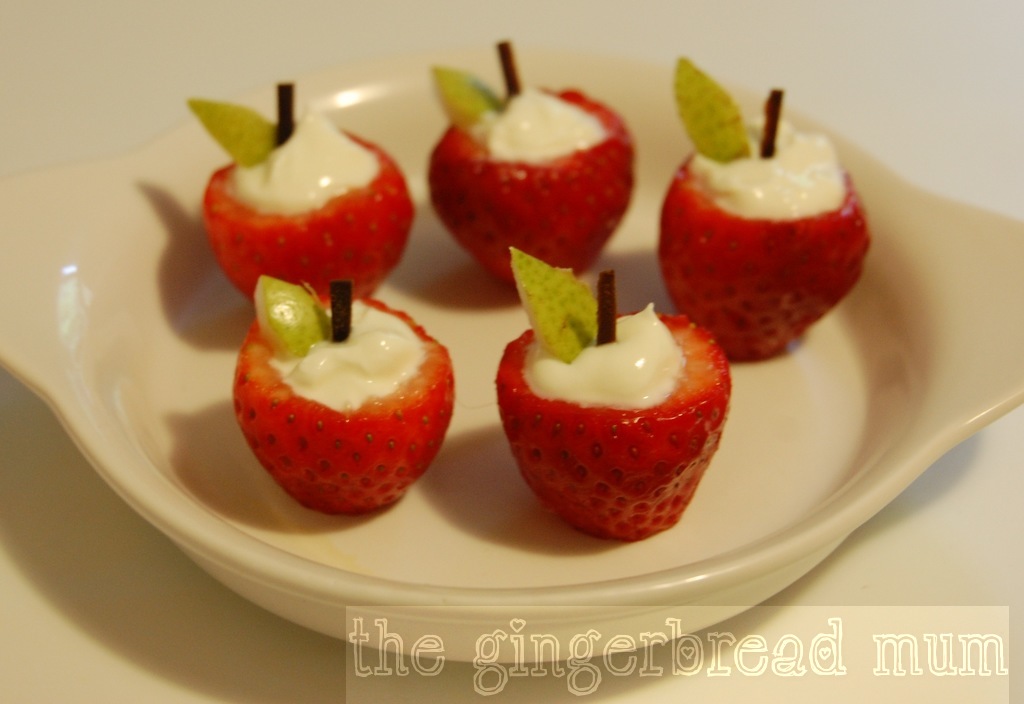
Yogurt Week 2014These yogurt-filled strawberries are a yummy quick snack or dessert that really aren’t any more time-consuming than chopping up strawberries and serving them with yogurt. Really!

I thought it would be fun to turn them into something else, so we have strawberry apples. Not quite in the same league as Heston Blumenthal’s meat fruit, but they’re still fun!

If you don’t want to turn your strawberries into apples, you could grate a little chocolate over the top (or simply plop a chocolate chip on top) or you could crumble a bit of biscuit over the top for a different take on a healthy strawberry cheesecake (you’re with me on the last one, right?!).

However you have them, they’re a yummy little healthy snack to pop into your mouth.

Yogurt WeekWash your strawberries and pat them dry. Slice the tops off, then using a small spoon (or the tip of a sharp knife), scoop out the inside of the strawberry. If you want them to stand up, also slice a small piece off the bottom.

Fill the hollowed out strawberries with yogurt and decorate as you prefer.

To make strawberry apples, cut out leaf shapes from a green apple or pear, and stems from licorice, and position them in the yogurt.

Eats-Amazing-Fun-Food-FridayI’m linking my yogurt-filled strawberries up to Eat’s Amazing Fun Food Friday, a weekly round up of fun and creative food.

Yogurt Week: Beetroot and Yogurt Dip

This is a super easy, super quick and healthy dip, celebrating the versatility of yogurt.

My often fussy little eater kept wanting to taste this as we made it. The wonderfully vibrant colour appeals to little eyes, just be careful of beetroot stains! If serving this to a little eater, give them a variety of foods in different colours to dip in. You can also use it as a spread in sandwiches or wraps.

You still have plenty of time to celebrate Yogurt Week as well as enter the exciting Food Stylist competition (details in my last post). Did you know there is enough plain yogurt sold in the UK every year to make at least 616 million kormas?!

Yogurt Week

BEETROOT AND YOGURT DIP

Prep time: 5-10 mins
Cook time: 0 minutes!
Makes 4 servings

250g cooked beetroot, peeled and chopped into chunks
70g Greek yogurt
A pinch of cumin
Salt and pepper to taste

Put everything into a mini food processor and blitz until smooth. Taste and add more seasoning and cumin if needed.

Other uses:

  • use as a pasta sauce by stirring through hot cooked pasta
  • serve over rice
  • use as a crepe filling

Yogurt Week 2014Disclosure: I was compensated by The Yogurt Council to promote Yogurt Week.

Yogurt Week: Italian-inspired yogurt cake

Today is the first day of Yogurt Week, the UK’s first celebration of that wonderfully versatile dairy product and everything you can make with it.

Yogurt Week 2014What can’t you do with yogurt? Eat it on its own or add it to both sweet or savoury dishes, it’s a great way to add some creamy lusciousness without adding too many calories. It’s also a perfect first food for weaning babies.

With its power-boosting protein and bone-building calcium as well as a load of vitamins, it’s no wonder that in the UK we spent over £1.2 billion on yogurt in the last year (that’s £38 every second of every day!).

To celebrate yogurt, The Yogurt Council is running a Food Stylist Competition for those of you in the UK, with a £1,000 prize package up for grabs. All you need to do is create and style your own recipe using yogurt. The competition runs until Monday 9 June 2014 and more details can be found here.

Discover more about yogurt, and lots of yummy recipes using it, on the Yogurt Council’s website and follow @loveyogurtuk on Facebook, Twitter and Instagram.

Yogurt Week

Yogurt Week has been the perfect excuse for me to experiment with making something I often ate while living in Italy and have been wanting to try to make for a while.

‘Plumcake allo yogurt’ is eaten for breakfast and also as a snack for little ones. I have no idea why it’s called ‘plumcake’, especially when it has no plums (or anything resembling plums) in it! Aside from the misuse of English, this Italian yogurt cake is lovely and light, and yummy both for breakfast or afternoon tea. If you make it with low or no fat yogurt, you can have absolutely no guilt eating it for breakfast (remind yourself of the protein and calcium you’re treating your body to).

It’s an amazingly quick and easy cake to make, it’s really just beating the ingredients together, and doesn’t leave you with many dirty things to wash. It also freezes very well.

In making my Italian-inspired cake, I’ve only used ingredients that are common here in the UK. I also added some lemon zest as I like the tangy freshness it gives to the cake. (When brutally honest Italian hubby tried it, he quickly pointed out that plumcake doesn’t have lemon!) It’s just as yummy with or without the lemon; why not try both versions and tell me your favourite.

ITALIAN-INSPIRED YOGURT CAKE

Prep time: 15 mins
Cook time: 40-45 mins
Makes 1 loaf
Freezable

250g Greek yogurt
100ml light-flavoured vegetable oil (I use rapeseed oil)
zest of 1 lemon (optional)
3 eggs
140g caster sugar
200g self-raising flour
1 tsp baking powder
Pinch of salt

Preheat the oven to 175C. Line a loaf tin with baking paper.

Put the yogurt, oil and lemon zest (if using) into a medium-sized mixing bowl.

Beat the eggs until they’re light and fluffy (a hand whisk is fine), then beat them into the yogurt mixture.

Add the sugar, flour, baking powder and salt, and lightly beat until combined.

Pour the mixture into your prepared loaf tin and bake for 40-45 minutes until a skewer comes out clean.

Tip: if the top of your cake is browning too much in the oven but it’s not cooked, cover the top with a piece of aluminium foil to protect it.

By the way, can you guess what the most popular yogurt flavour is in the UK?

Disclosure: I was compensated by The Yogurt Council to develop a recipe using yogurt and promote Yogurt Week.


Review: My 1st Years Personalised Chopping Board

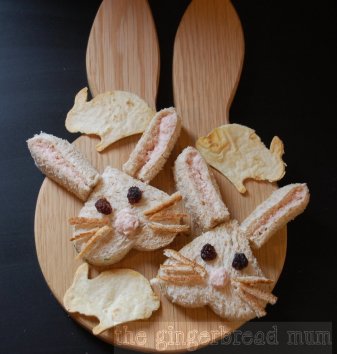
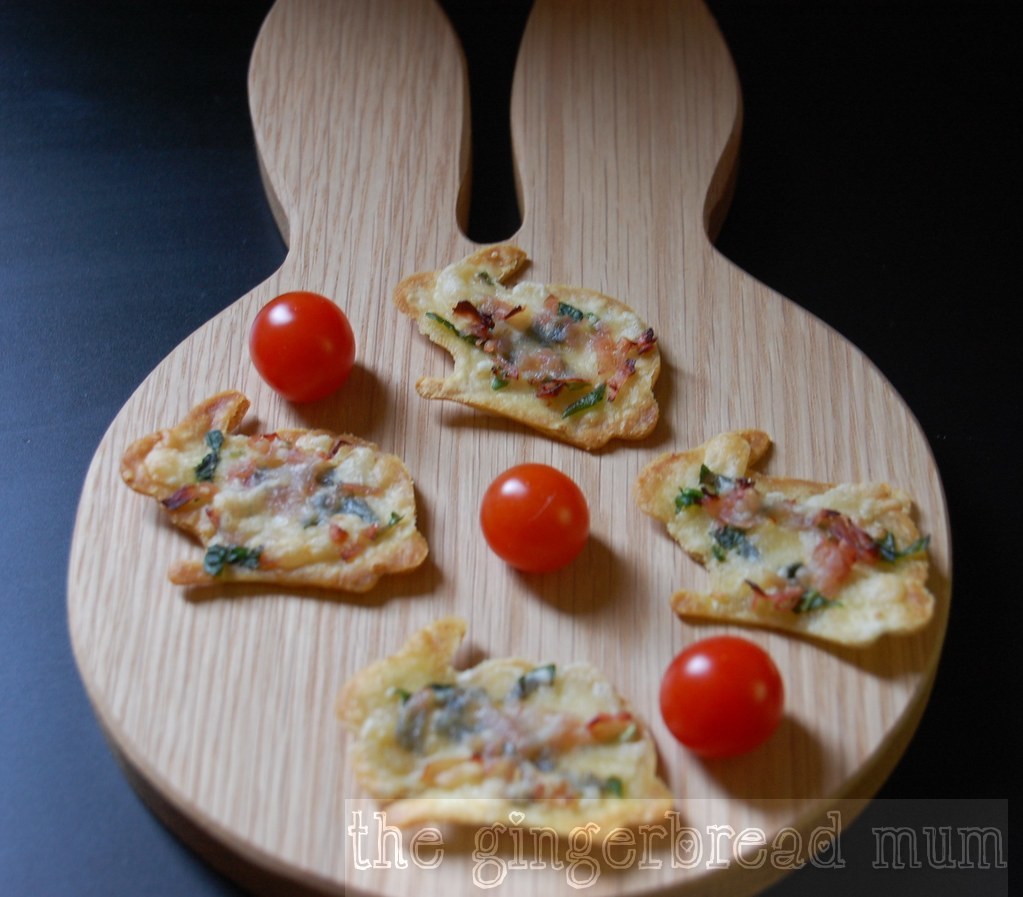
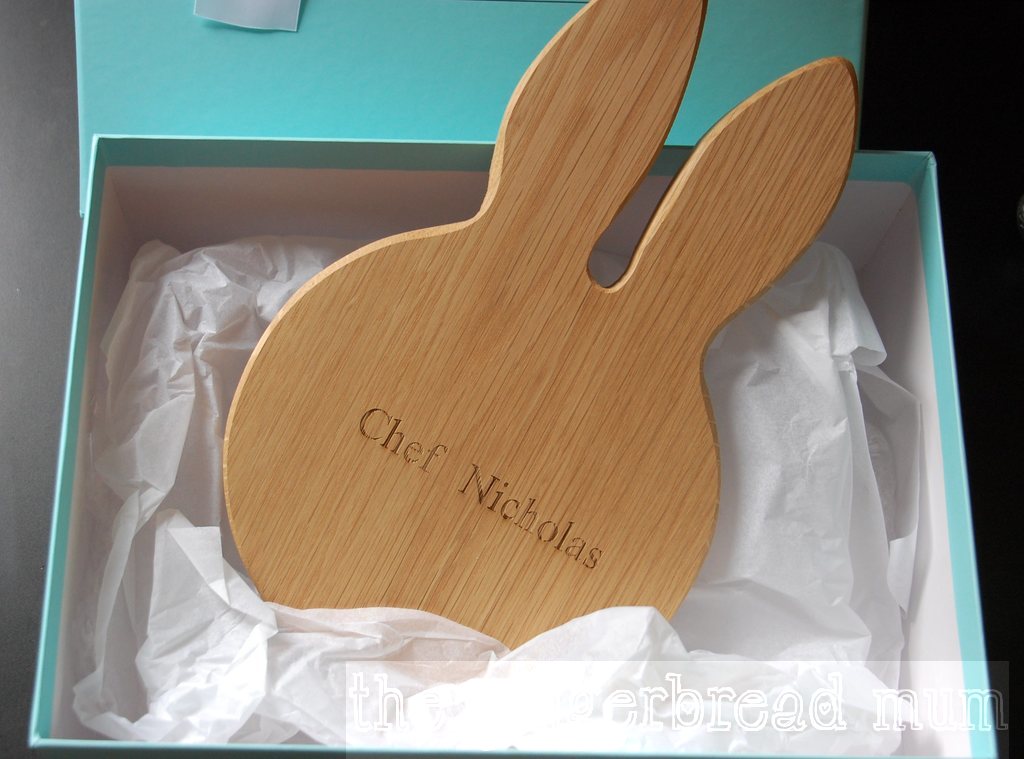
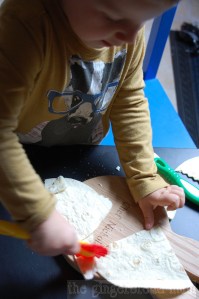
My 1st Years sent us a gorgeous personalised chopping board to review which is in the shape of Nicholas’ favourite animal. We’ve been having fun over the last couple of weeks using it, not only for cutting but also as a serving board (my favourite use for it!).

Hop & PeckHop & Peck

My 1st Years sell lovely baby gifts, clothing and accessories, many of which can be personalised. An English company that was founded in 2010, they pride themselves on quality products at affordable prices. But they don’t just cater for little people. With Father’s Day (in the UK) just less than a month away, they also have beautiful gifts for dads which can be made extra special with personalisation.

Hop & PeckThe chopping board is handmade in solid oak (sourced from sustainable forests) by the English company Hop & Peck. It feels and smells wonderful,  the design is super cute and it’s a wonderfully solid little board. Size-wise it’s quite compact (approximately 28cm x 18cm x 2cm) with its ears not being much use if using it for chopping. However, it’s perfectly big enough for little budding chefs and a good size when using it as a serving board.

My 1st YearsI was a little concerned before using the board that it would slip around when we were using it because there aren’t any gripping feet. However, we’ve used it on several different surfaces and had no issues at all (it also means you can use both sides of the board).

The extra touch of being able to personalise the board at no extra cost (most of My 1st Years’ products can be personalised) is great. Nicholas loves recognising his name on it and also loves his title of ‘chef’! Most importantly for him, is that the board is his (not for mummy or papà). I’m learning children love having their own implements to use in the kitchen and just getting out their cooking things is an activity in itself.

All products from My 1st Years come beautifully wrapped in a sturdy gift box. If you’re buying a gift for someone else, you can have it sent directly to them.

My 1st Years gift boxI have absolutely no negatives about the chopping/serving board. What I would have liked though, was some information about taking care of it included. If I was sending it to someone as a gift, I’d also like the recipient to know that the board was handmade from oak by an English company.

You can browse My 1st Years lovely range of products on their website, and follow them for updates and competitions on Facebook, Pinterest, and @My1stYears on Twitter and Instagram.

Disclosure: We were sent a personalised chopping board from My 1st Years to review. My opinions are honest and my own.
 

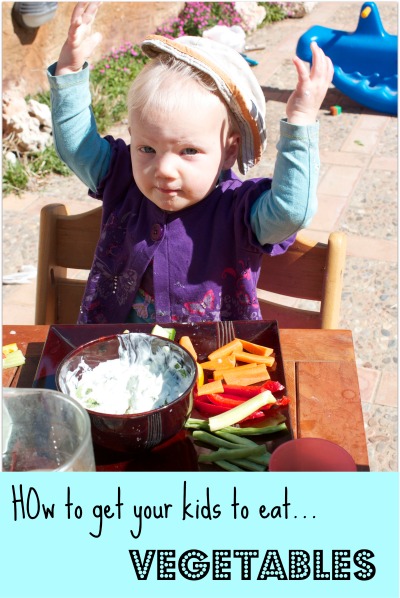
How to get your kids to eat… vegetables (guest post)

I’m delighted to have a guest post today from Dr Orlena Kerek, a paediatrician and mother of 4 young children (still small enough to fit in the bath together, just).

Orlena blogs about raising healthy happy children at snotty-noses.com. She has a special interest in helping children eat a healthy diet, and she’s giving us some great practical advice today. You can also sign up to her newsletter and get a free copy of 30 Tips to get your Kids to Eat and LOVE Vegetables which I can’t recommend enough!

Dr Orlena Kerek

“Yummy, thank you so much for my delicious plate of vegetable pasta,”says my 5 year old as he politely asks to be excused from the table and proceeds to put his plate into the dishwasher. Ha ha! If only! If you have young children and they’re anything like mine, meal times can be one of those stress points of the day. It’s not that they aren’t polite. They’re just tired and hungry and don’t really want to eat their vegetables. They like to pick out the bits they like, namely the pasta around here. Children are noisy, boisterous and like to do things their way. And that’s fine. As parents, we just have to learn to work around them.

So, if your toddler, who used to eat perfectly, is going through a phase when they refuse point blank to even touch a pea or carrot, despair not! There are ways to gently encourage your toddler back into healthy eating.

Firstly, look at the bigger picture. In the short run, it doesn’t really matter what they eat. Constipation aside, they aren’t going to come to any great harm if they spend a few days eating nothing but pasta and cake. My 1 year old son once went on chocolate hunger strike when we went to grandmother’s for Christmas. She assured me that the chocolate decorations were too high for him to reach. Hmm, that wasn’t the case and he happily helped himself and refused to eat anything else for 3 days. He lived to tell the tale and now at nearly 6 eats such dangerous monsters as lettuce, cabbage and broccoli.

The plan is to teach your little ones to develop healthy eating habits. Ultimately you do want them to be eating a healthy balanced diet and if they get used to healthy food from an early age they’ll just think of it as ‘food’. It will be what they are used to and what they’ll feed themselves and hopefully their children when they’re old enough to take care of themselves.

It’s getting the balance right that can be difficult.

My top tips are firstly, don’t shout or argue with them. The more you shout and scream, the more they’ll dig their heals in and refuse to eat the offending item. They will come to resent you, and food will become an issue for them. But once you’ve let go of the idea that they have to eat their vegetables all the time, you won’t need to feel that you have to shout.

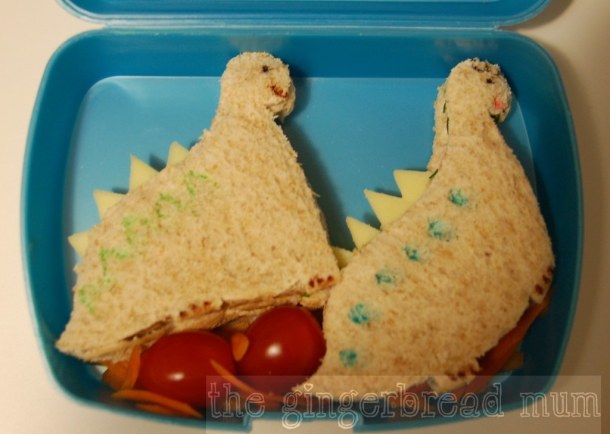
Make food fun. Need I say more? I think Anne has covered that one for me.

Offer them a range of healthy things to eat. This works a treat and recently I managed to get my 3 year old to eat celery with this method. Yep, I’ll confess I was shocked (I’d only really put it out for me). He said he liked it, it was his favourite taste, it was just a bit chewy for him. I suspect he won’t be so keen next time, but it won’t be on his ‘off list’.

Getting the balance right between food children like and don’t like is also difficult. Sometimes they genuinely don’t like something. Sometimes they just think they don’t like it. My children claim not to like aubergine or courgette, except they eat it at least twice a week without any fuss. Allow them to not like some things. Ignore them when you know they’re being fickle. (I wouldn’t get a single meal past the committee if I actually listened to all those cries of ‘yuck, not pasta again’, but 5 minutes later, it’s clean plates all around).

Keeping a food diary is another great idea. Children often eat in fits and starts. It doesn’t really matter if they eat lots of vegetables in the morning and then carbohydrates in the afternoon. A food diary is a great way to see what they are actually eating and to highlight sneaky snacks that mean they aren’t hungry at dinner time.

And talking of snacks, snacking is fine as long as it’s not always cake and biscuits. Young children fine it really hard to go the long times in between meals that adults do. They have smaller stomachs that get full up more quickly. And emptied more quickly. So let them snack on healthy things and keep treats as treats.

Healthy eating can seem like a huge mountain to climb, especially when your 2 year old shakes their head and says “no, no, no”. But keep calm and with a realistic approach you’ll get there in the end.

For more fabulous tips, sign up to my mailing list to receive 30 Tips to get your Kids to Eat and Love Vegetables.

Making Food Fun… Easily

Making Food FunToday I’m very honoured to be guest blogging over at Snotty Noses, the wonderful blog of Dr Orlena Kerek, a mum of four and a paediatrition.

I’ve written a post with, hopefully, useful and easy ideas for making food fun for your little ones, encouraging them to eat more.

Read my post here.